

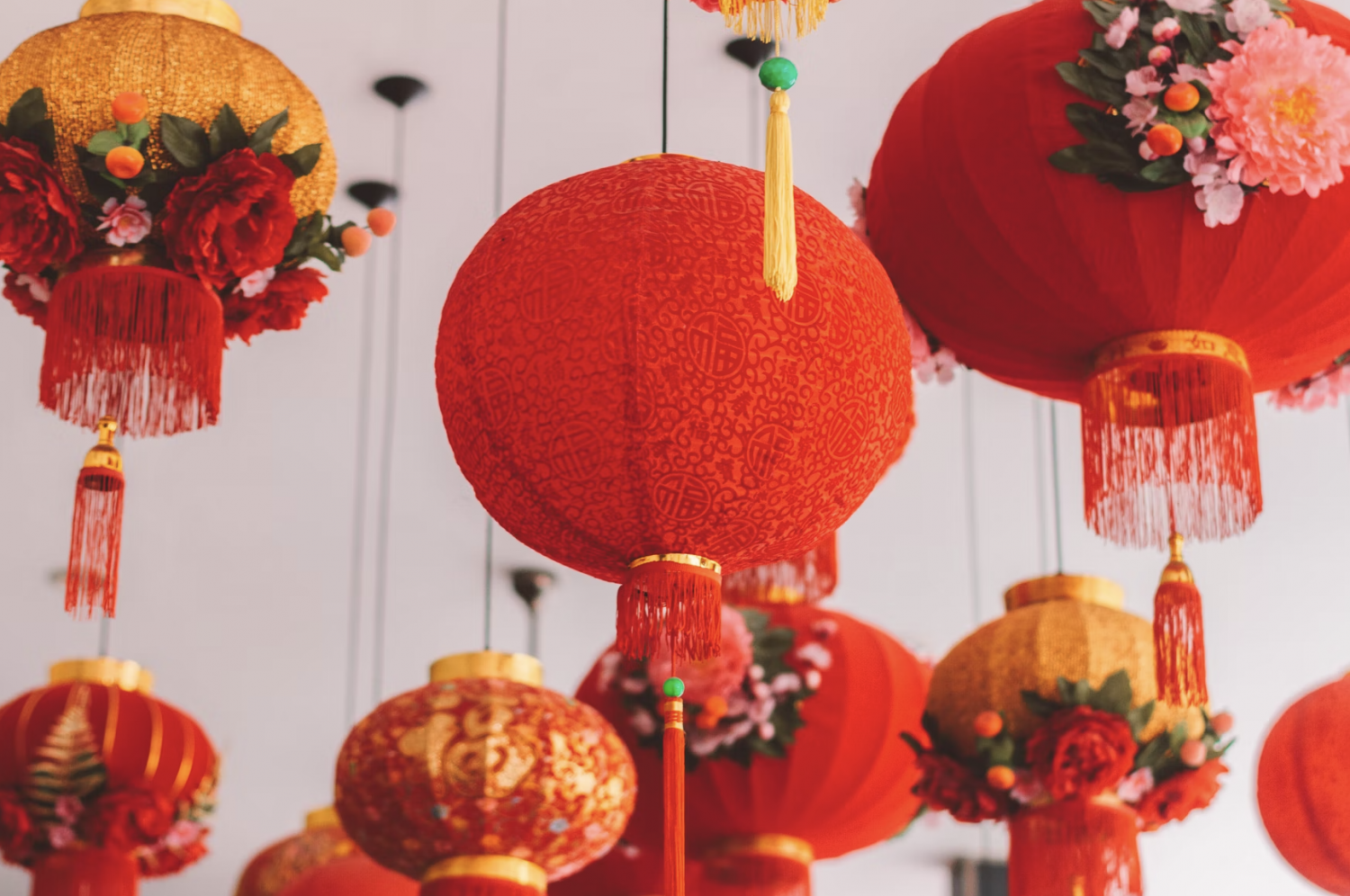
Lunar New Year in Hong Kong is shaped as much by tradition as celebration. Alongside reunions and festivities, long-held customs are observed to invite prosperity while certain taboos are carefully avoided. For those new to the season, or simply in need of a refresher, here’s a practical guide to the rituals and symbolism that continue to define the holiday.
Things to do during Lunar New Year
Prepare lai see
Lai see refers to the red envelopes traditionally given by married individuals to single relatives, colleagues and service staff during the festive period. These packets typically contain crisp banknotes, symbolising good fortune and prosperity. Avoid amounts containing the number four, which is associated with misfortune due to its phonetic link to the word for ‘death’ in Chinese culture.
Read more: Lai see etiquette in Hong Kong

Clean your home before the new year
In the days leading up to Lunar New Year, homes are thoroughly cleaned to sweep away bad luck and make room for good fortune. Cleaning once the new year begins is generally avoided, as it is believed to remove incoming prosperity. Some households go further by refreshing doorways or windows to symbolically welcome auspicious energy.
Visit a temple
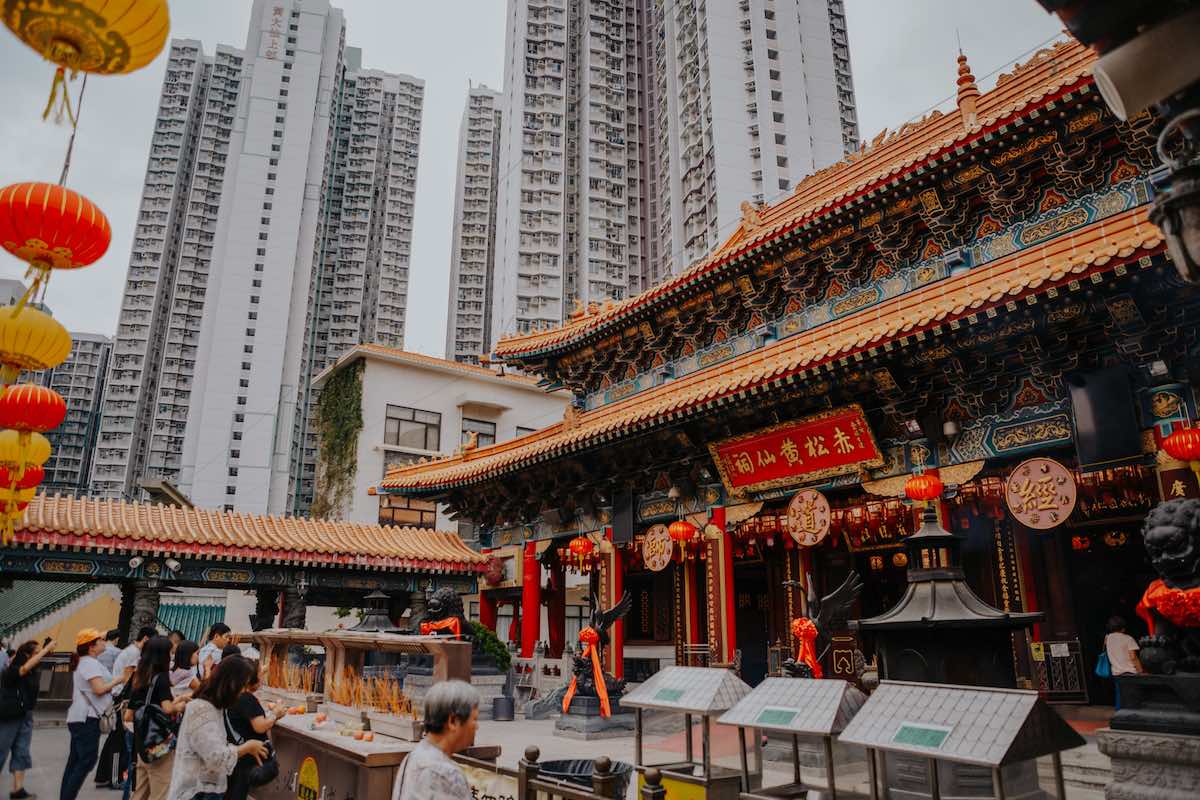
Temple visits remain an important tradition for many residents during the festive period. Lighting incense or candles and making offerings are common practices intended to invite protection, harmony and good fortune for the year ahead. For first-time visitors, temple attendants are usually happy to guide newcomers through the rituals.
Read more: 11 must-visit temples in Hong Kong
Buy new clothes
Wearing new clothing at the start of the year symbolises renewal and a fresh beginning. Shopping ahead of the holiday — sometimes down to new undergarments — is considered a positive way to welcome prosperity and set the tone for the months ahead.
Display mandarins or kumquat trees
Mandarin oranges and kumquat trees are widely associated with wealth and happiness, making them popular decorative gifts during Lunar New Year. The Cantonese name for kumquat echoes the words for ‘luck’ and ‘gold’, reinforcing their symbolism. Homes often display fruit-laden trees or incorporate mandarins into festive décor.
Things to avoid during Lunar New Year
Giving certain gifts
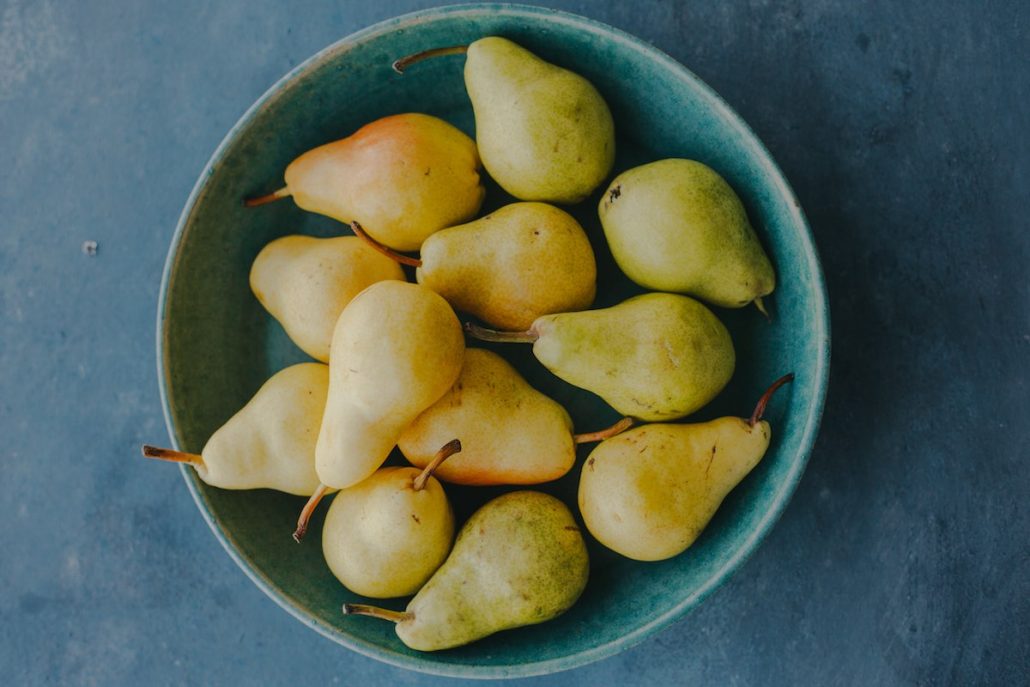
Some items are traditionally avoided due to symbolic meanings. Clocks can suggest the passage of life, pears are associated with separation, and sharp objects such as scissors imply cutting ties. Choosing gifts aligned with prosperity or togetherness is generally preferred.

Washing your hair on the first day
Hair washing is often avoided on the first day of the new year. The pronunciation of the word for hair resembles the phrase associated with wealth, and washing it is believed to symbolically wash fortune away.
Visiting hospitals
Unless necessary, hospital visits are sometimes postponed during the holiday period, as they are thought to bring ill health into the household for the year ahead. This belief reflects traditional superstition rather than modern practice.
Wearing black or white
Black and white are historically linked with mourning and are therefore avoided in festive attire. Red, gold and brighter tones are typically favoured to reflect joy and prosperity.
Eating meat on the first day
Some observe a vegetarian diet on the first day of Lunar New Year, believing it encourages longevity and spiritual clarity. Restaurants across Hong Kong often offer plant-based menus during this time for those wishing to follow the custom.