

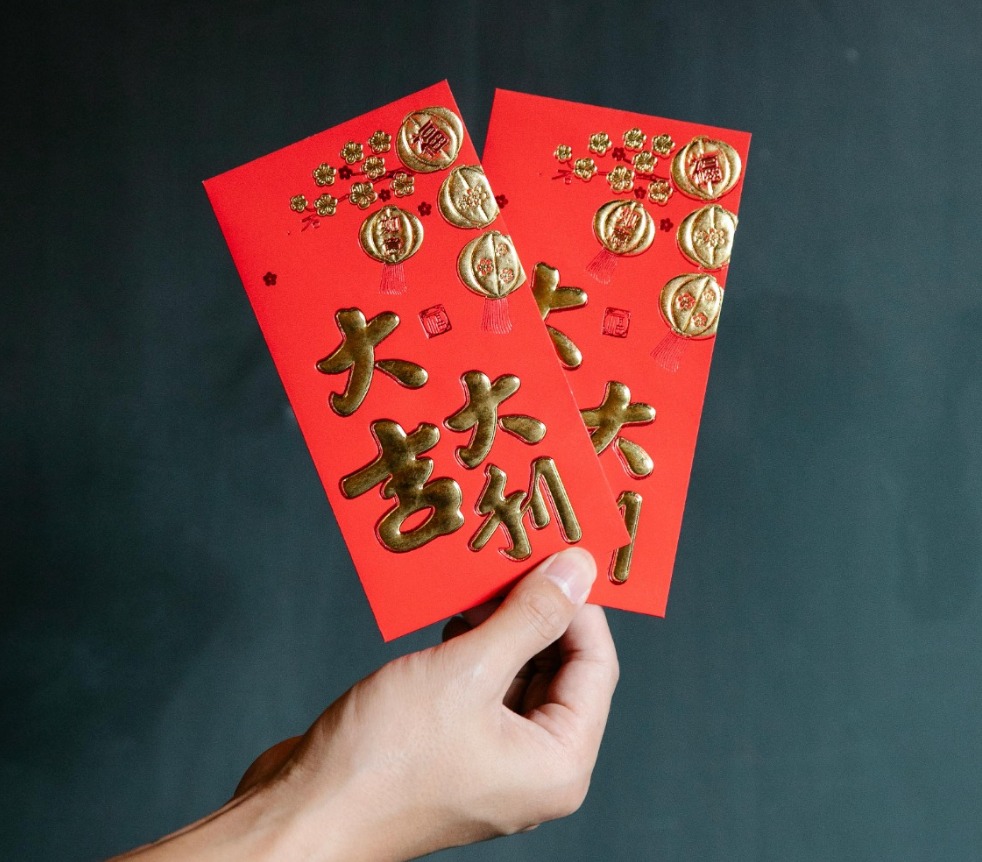
As Lunar New Year approaches in Hong Kong, the familiar exchange of red packets begins. For those who didn’t grow up with the tradition, lai see etiquette can feel unclear at first. Here’s a straightforward guide to understanding the meaning, timing and customs around giving and receiving lai see during Chinese New Year.
What does lai see mean?
‘Lai see’ is the Cantonese term for the red envelopes filled with money that are exchanged during Lunar New Year. In Mandarin, they are known as hong bao. The envelopes symbolise blessings, prosperity and good fortune for the year ahead rather than the monetary value inside.
Who gives lai see?
Traditionally, lai see is given by those who are married or in a position of seniority to younger or unmarried recipients. Common examples include:
- Parents giving to children
- Grandparents giving to grandchildren
- Married couples giving to single relatives
- Employers giving to staff
- Residents giving to building staff or regular service providers
The gesture reflects goodwill and respect within social and professional relationships.
When should lai see be given?
Lai see is exchanged during the first 15 days of Lunar New Year, beginning on New Year’s Day and ending with the Lantern Festival. It is customary to present the envelope the first time you see someone during this period.
To keep this article evergreen for future years, avoid referencing specific calendar dates and simply update annually if needed.
What should you say when giving lai see?
Offering auspicious greetings alongside the envelope is part of the ritual. Common Cantonese phrases include:
- Kung Hei Fat Choy — wishing prosperity and happiness
- Sun Tai Kin Hong — wishing good health
Even a simple greeting delivered with warmth is appropriate.
How much money should you give?
The symbolism of goodwill matters more than the amount. However, certain practical guidelines are widely observed:
- Use new, crisp banknotes
- Avoid amounts containing the number four (associated with misfortune)
- Even-numbered sums are generally preferred
Typical reference amounts in Hong Kong include:
- HK$20 — acquaintances or young children
- HK$50–100 — regular service providers or familiar contacts
- HK$100–300 — household helpers
- HK$100–1,000+ — employees or close family
These are cultural norms rather than strict rules, and personal circumstances should guide decisions.
Photo by Angela Roma via Pexels.