


Jess Mizzi sat down with Joel Butterly, co-founder and CEO of InGenius Prep (IGP), to unpack what top universities really look for, and how families can plan with clarity and confidence.
Founded to bring clarity and rigour to a once-fragmented admissions landscape, InGenius Prep supports students applying to leading universities in the US, UK and beyond. The company was co-founded by Joel Butterly, who saw first-hand how inconsistent and opaque the study-abroad counselling industry had become. His response was a deliberately simple model built around two principles: understanding what universities are really looking for, and giving students the tools to act on that insight.
More than a decade on, InGenius Prep works with a global team of more than 150 former admissions officers, offering both strategic insight and practical support. The company has grown steadily through referrals, with offices worldwide and a reputation built on personalised service and outcomes.
When should families start admissions planning?
Generally, we have seen that early preparation provides the best returns, with students who begin preparing at 12 or 13 years old having a 30% higher chance of admission to top universities than those beginning three years later. Starting earlier allows students to develop depth, direction and a clear sense of purpose over time, qualities universities value highly. Beginning later can still be effective, but some of that cumulative advantage is inevitably lost. Earlier engagement, often before high school, is less about applications and more about building foundations, from organisation and communication skills to helping students identify and refine their interests.

What sets top applicants apart?
Grades and test scores matter less than many families expect. At elite universities, around 80% of applicants are academically qualified, yet fewer than one in ten receive an offer. What differentiates successful candidates is depth and individuality: a clear, personal focus developed over time, supported by meaningful academic work, original projects and carefully chosen real-world experience.
While parents often compare students within a single school, universities assess candidates across schools and systems, rewarding those who stand out in a much broader peer group. In many respects, application strategy is a finely tuned marketing exercise – the top applicants are those with a clear ‘brand’ that combines and reflects their values, experiences, achievements and ambitions.
How do the US, UK, Canada and Australia compare for Hong Kong families?
For many families, the real difference lies less in the education itself and more in outcomes after graduation. The US dominates the top tier of global universities and offers clearer pathways into its labour market, which can matter for careers in finance, law and medicine. The UK remains equally strong in certain disciplines, with universities such as Oxford and Cambridge on par with leading US institutions.
Increasingly, students apply across multiple countries, most commonly pairing the US with the UK or Canada. Australia and New Zealand are chosen less often, largely due to perceptions around prestige rather than academic quality.

Does school or curriculum choice matter for university admissions?
US universities are familiar with all major curricula taught in Hong Kong, including IB, A-levels, DSE and the American AP system. What often matters more is how well a student’s school is understood. Where a school is less well known, context becomes critical, particularly through recommendation letters and school profiles that clearly communicate academic rigour. Strong students can and do succeed from lesser-known schools.
Is boarding school overseas worth it?
The benefit depends largely on a student’s background. For Hong Kong students, the difference between strong local schools and leading US or UK boarding schools is often marginal, although boarding schools do tend to place more students into elite universities. Important considerations are context and consistency – studying in a school with stronger resources can result in universities raising their expectations of student achievement, while changing school too frequently can disrupt student progress in and out of the classroom.
For students from mainland China, the advantage can be more pronounced, as prior overseas study is often seen as a marker of adaptability and resilience. More broadly, admissions decisions are made with institutional considerations in mind, from class balance to long-term stability, not solely individual merit.
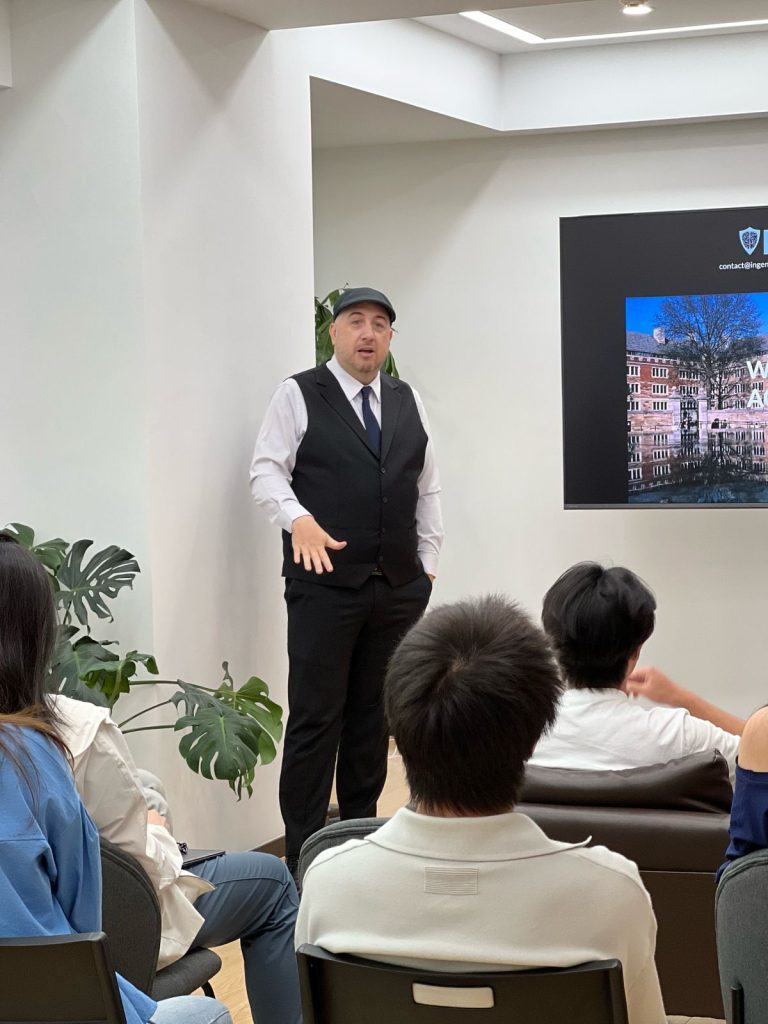
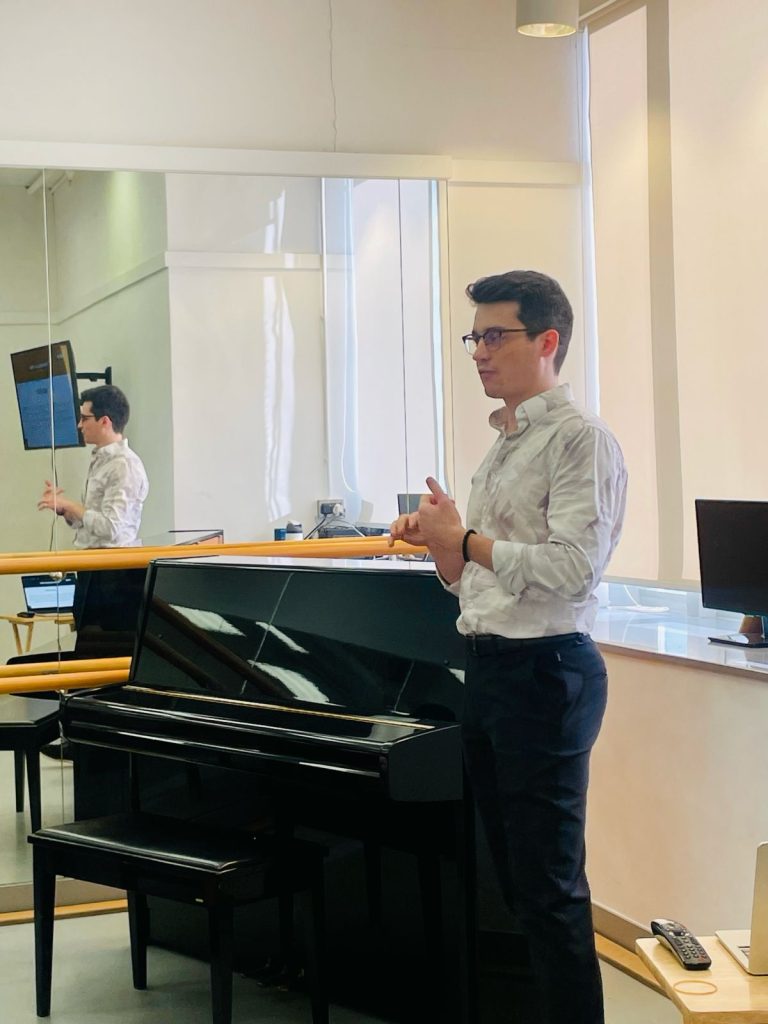
Visiting Former Admissions Officers Robert Thomas (Northwestern University) and Wesley Mills (University of Chicago) meeting families in Shanghai and Hong Kong.
How can students avoid burnout during applications?
Burnout often comes from spending time on activities that add little value and generate little enjoyment. When lower-impact commitments are stripped back, students typically gain time rather than lose it. In practice, focused admissions preparation rarely requires more than 30 to 45 minutes a day, allowing students to stay on track for top universities while protecting their wellbeing.
Top universities are looking primarily for the quality of student experiences and achievements, not sheer quantity. A big part of our counselors’ advice is not only to help students develop impactful activities, but also to help them confidently overcome peer pressure and decide what is not a good use of their time.
How do families plan amid visa uncertainty?
Headlines often create more anxiety than the reality warrants. Many previous visa restrictions have since been reversed, and some proposed changes may even improve post-study work options, particularly in fields such as STEM and finance. Study visas, especially for Hong Kong students, are unlikely to face any restrictions.
Nonetheless, many more families are aiming to keep their options open. The most effective way to manage uncertainty is to apply across multiple countries, as preparation for the US, UK and Canada overlaps significantly. With a careful, single plan, such an approach can deliver multiple strong applications without duplication or overloading students. Demand for top-tier universities remains strong, even as interest in lower-ranked institutions softens.
How does admissions guidance evolve over time?
For younger students, often starting from 11 or 12 years old, the focus is on exploring interests and building core skills, from organisation and study habits to executive functioning. As students move through high school, attention shifts to shaping a more personal and unique direction in both academic and extracurricular activities, alongside academic support, test preparation and specific leadership opportunities.
For students in the latter years of high school or already at university, guidance becomes more pre-professional, with many of our students undertaking university-level research projects and corporate internships, alongside other experiences that strengthen their long-term prospects.
Who is the Premier VIP service for?
The Premier VIP service is InGenius Prep’s most comprehensive programme, designed for families seeking long-term, highly personalised guidance. The enrollment is limited to a small cohort each year, it combines admissions strategy with academic planning, mentorship and profile-building over time.
Students work closely with a dedicated team to develop a clear, authentic direction. It is not about buying admission: placements are earned, and careful matching ensures students are well prepared and well suited to the universities they attend.
How is AI affecting education and admissions?
So far, the impact of AI has been more muted than headlines suggest. While it can improve short-term school performance, there are concerns it may weaken deeper learning. In admissions, AI-generated essays are generally easy to spot and rarely effective, lacking nuance and originality.
Admissions offices tend to use AI for administrative tasks rather than decision-making, where human judgement remains essential. For now, the conversation around AI is louder than the change itself.
How are students supported after acceptance?
A significant portion of our support throughout high school is to equip students with the skills and confidence necessary not only to obtain a strong university offer, but to flourish in the environment of a top university campus. This is why we insist on real student engagement, with a focus on core competencies and genuine understanding alongside standout achievements.
Support can continue well beyond the offer letter. Many students have multiple offers from a variety of countries, so we start by guiding students through the big decision of which university to attend. In many cases, we continue working with students throughout their undergraduate studies, supporting them in their preparation and applications for a master’s degree, postgraduate research or professional qualifications for Law, Business or Medicine.
How do you navigate parent–student disagreements?
Most disagreements stem from differences in approach, information or understanding rather than values, with both parents and students ultimately aiming for the same outcome. The role of guidance is often to bridge perspectives and align expectations.
A key part of this is ascertaining the level of involvement parents want in their child’s decisions, then ensuring that our counselling approach reflects this preference. By carefully and clearly laying out the possible pathways, their requirements and their consequences, it becomes easier for everyone to pinpoint the root cause of disagreements and resolve them rationally. Such discussions can often be very fruitful, ultimately helping produce a stronger, more detailed and more exciting plan for university.
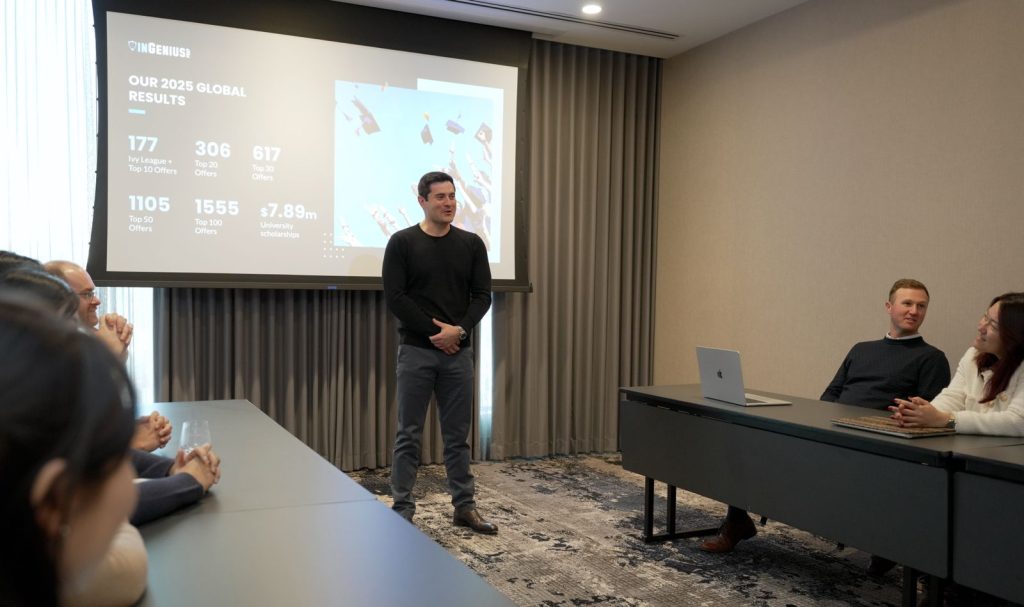
What are you most optimistic about for 2026?
Globally, we expect 2026 to demonstrate the enduring resilience of top higher education systems, such as the US and UK. Despite the ebb and flow of the political and economic currents, education will remain one of the best long-term investments for upwardly mobile families and those looking to secure their status.
There is also growing confidence among Hong Kong families in applying across multiple countries, with a more thoughtful view of what each system offers. Momentum behind our Premier programme and the ongoing trend of students preparing younger reflects a shift towards longer-term, more holistic planning.
Any final advice for parents choosing an admissions consultancy?
This is a complex space, and families should approach it carefully. Look beyond headline results and ask for transparent data and clear case studies that show how outcomes were achieved. Be wary of anyone claiming personal influence in admissions.
The strongest consultancies combine insight from experienced former admissions officers with the practical resources needed to execute that advice. Without both, guidance remains theoretical rather than effective.
InGenius Prep offers a complimentary initial consultation for families considering university admissions support. The session allows parents and students to discuss goals, assess academic positioning and understand which approach or programme may be the right fit, with no obligation.

For enquiries, or to book a complimentary consultation, please contact Lauren Tong, Hong Kong Office Director: lauren.tong@ingeniusprep.com | WhatsApp (+852) 9216 1432
Company:
Founded:
Counsellors:
Admissions focus:
Address:
Email:
WhatsApp:
YouTube channel:
InGenius Prep
2013
150+ former admissions officers
US, UK, Canada and beyond
18/F, Standard Chartered Bank Building, 4–4A Des Voeux Road Central, Central
lauren.tong@ingeniusprep.com | hongkong@ingeniusprep.com
(+852) 9216 1432
www.youtube.com/@Ingeniusprep/videos