

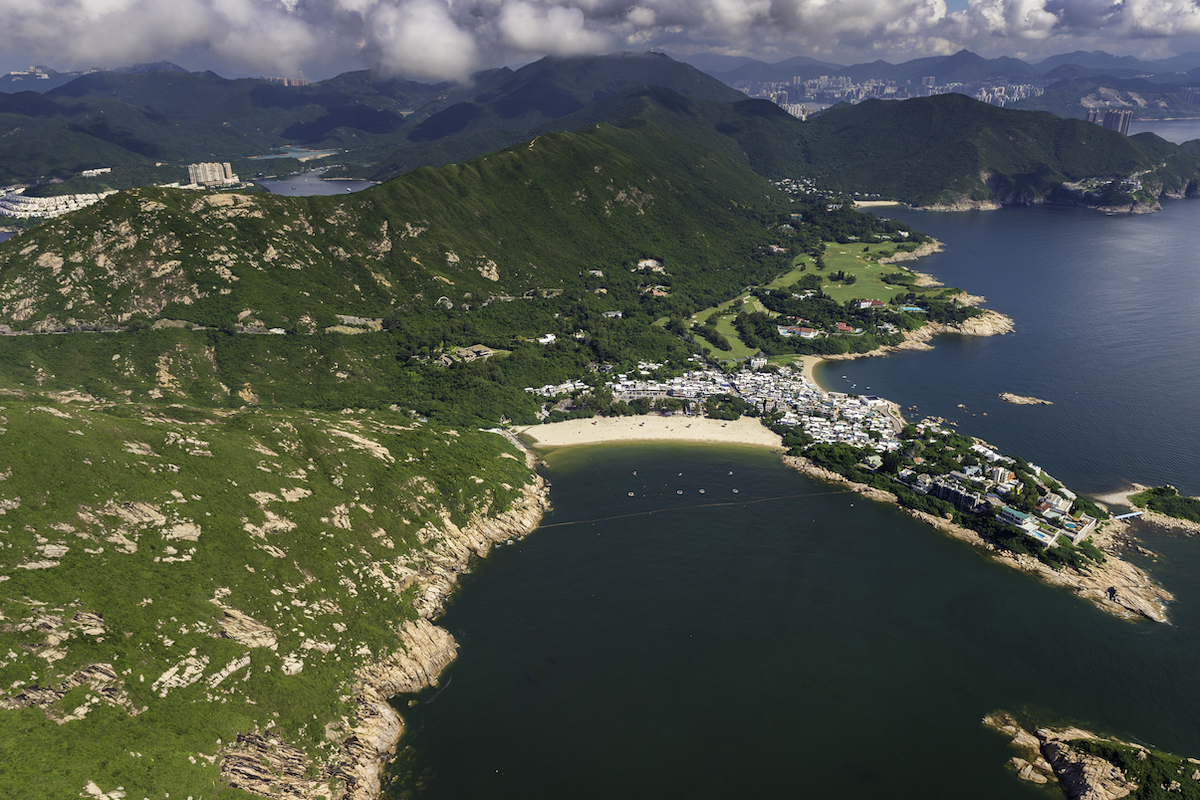
When the sun is out and the air turns cool, Hong Kong reveals one of its quieter luxuries: the ability to step from city streets into open landscape within minutes. Winter brings the most comfortable conditions for hiking, with clearer views, gentler temperatures and long, bright days that invite unhurried exploration. From reservoir paths to exposed ridgelines, these are the hikes worth tackling when the weather is firmly on your side.
Hong Kong Trail
Winner of Hike of the Year in the Hong Kong Living Awards, the Hong Kong Trail remains one of the city’s most iconic routes. Stretching roughly 50 kilometres from Victoria Peak to Big Wave Bay, the trail is divided into eight manageable sections, making it suitable for everything from relaxed weekend walks to more ambitious outings. Expect skyline viewpoints, shaded woodland and scenic pauses along the way, including the area surrounding Wong Nai Chung Reservoir.
Tate’s Cairn
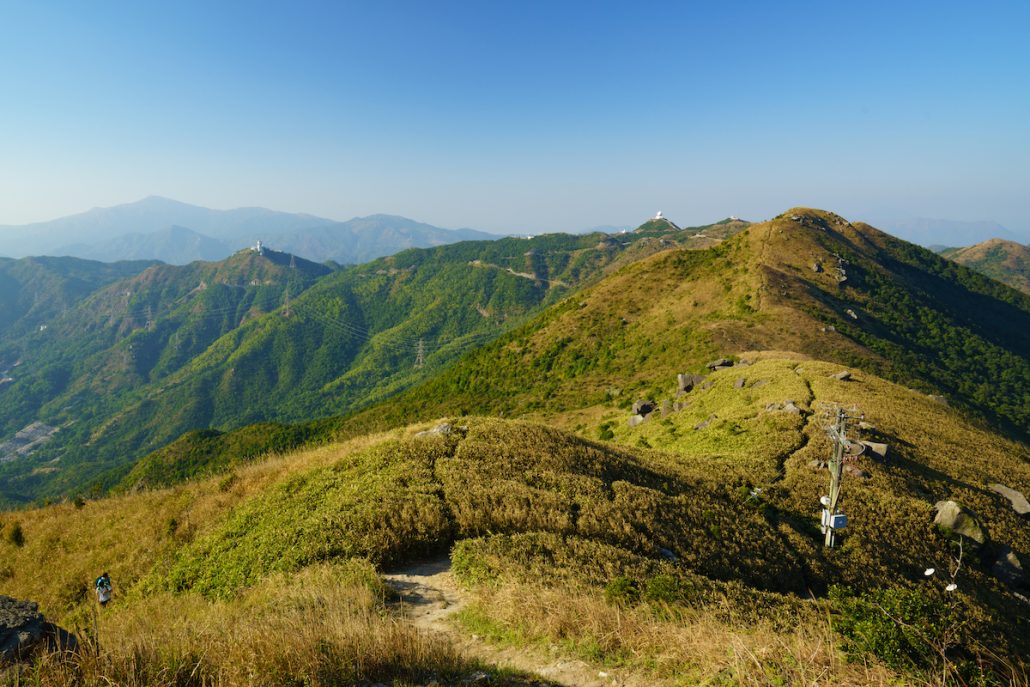
Rising 583 metres above sea level between Wong Tai Sin and Sha Tin, Tate’s Cairn offers a surprisingly tranquil escape close to dense urban neighbourhoods. The ridge walk moves through grassy uplands and open vantage points with expansive panoramas across Kowloon and Hong Kong Island. Late afternoon is an especially rewarding time to visit, when cooler breezes and sunset light transform the landscape.
Kam Shan Country Park
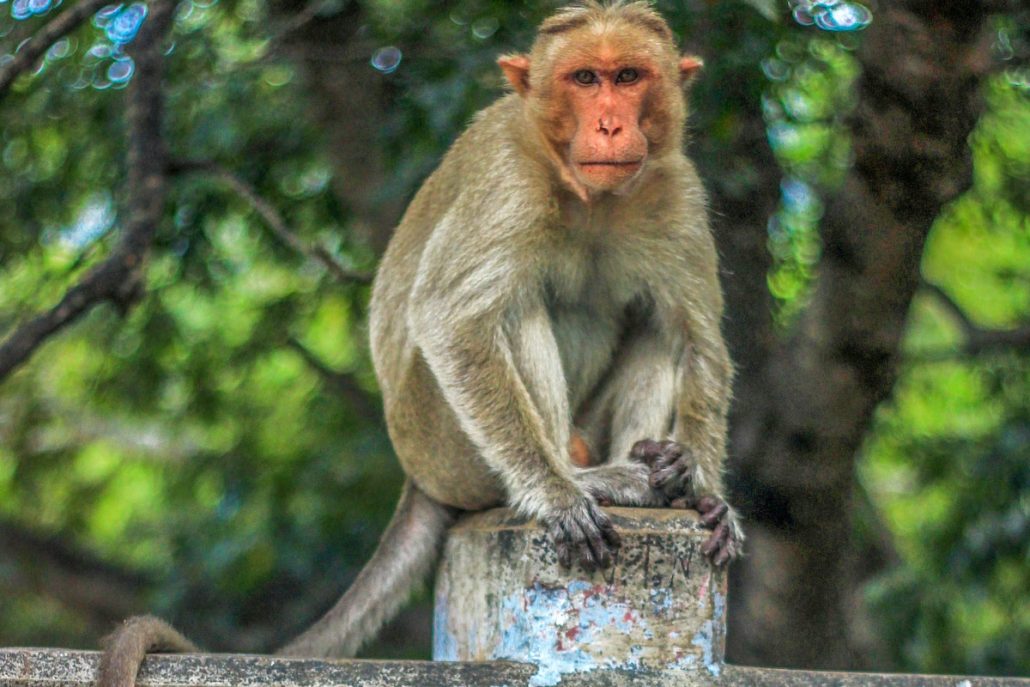
Often referred to as Monkey Hill thanks to its resident macaques, Kam Shan Country Park combines accessible walking routes with attractive reservoir scenery. Begin at Golden Hill Road and follow the paths towards Kowloon Reservoir before continuing through woodland areas and the Kam Shan Tree Walk. It is a gentle introduction to hiking in Hong Kong and a popular option for families looking to spend time outdoors.
Read more: A guide to hiking Cape D’Aguilar
Twin Peaks and Violet Hill
Nicknamed the “Terrible Twins”, this route is known for its relentless stair climbs and rewarding coastal views. Hiking from Parkview towards Stanley is generally the preferred direction, allowing the promise of sea air and restaurants at the finish to provide motivation. The ascent begins with Violet Hill before continuing to the steeper Twin Peaks section, delivering a demanding workout alongside sweeping vistas.
Sharp Peak
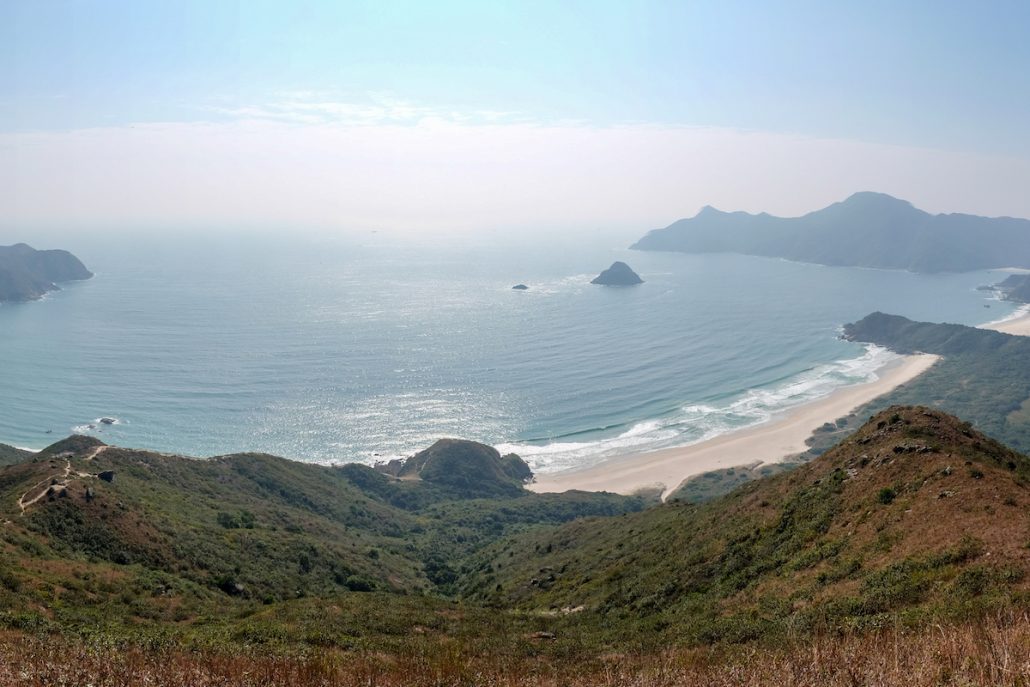
For experienced hikers, Sharp Peak in Sai Kung presents one of the city’s more formidable challenges. The route typically takes six to eight hours and includes steep scrambling sections where grip and stability are essential. From the summit, hikers are rewarded with striking views of mountain ridges and clear-water beaches, showcasing a dramatically different side of Hong Kong’s geography.
Sunset Peak
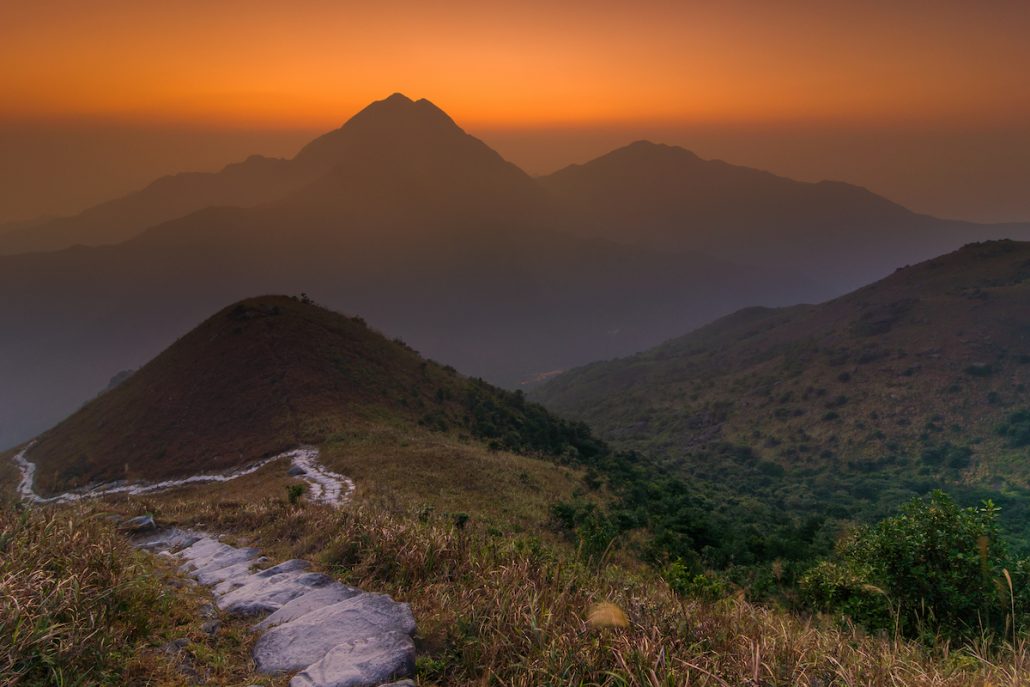
As Hong Kong’s third-highest summit, Sunset Peak is known for its expansive views across Lantau Island and beyond. The climb is particularly popular at golden hour when light settles over the grasslands and coastline. Those planning a later descent should carry proper lighting, while beginners may prefer setting out early to enjoy quieter trails and clearer conditions.
Kowloon Peak and Suicide Cliff
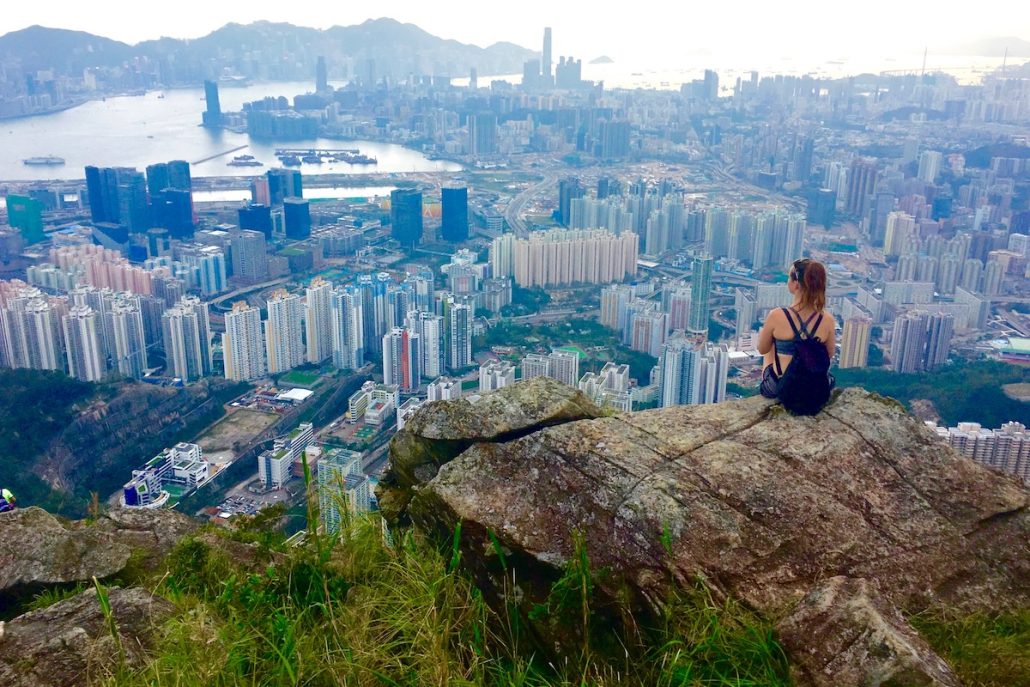
Standing at 603 metres, Kowloon Peak offers wide-ranging views across Victoria Harbour on one side and Sai Kung on the other. The initial ascent is steep but relatively short, taking roughly an hour to reach the summit. Continuing towards Suicide Cliff reveals striking vantage points that have become among the most photographed viewpoints in the city.
Read more: Hong Kong’s top ten highest peaks to conquer
Planning Your Hike
Before heading out, check trail conditions, carry sufficient water and wear appropriate footwear. Hong Kong’s terrain can change quickly between urban paths and exposed hillsides. Cooler months offer ideal conditions, but preparation remains essential for a safe and enjoyable experience.