
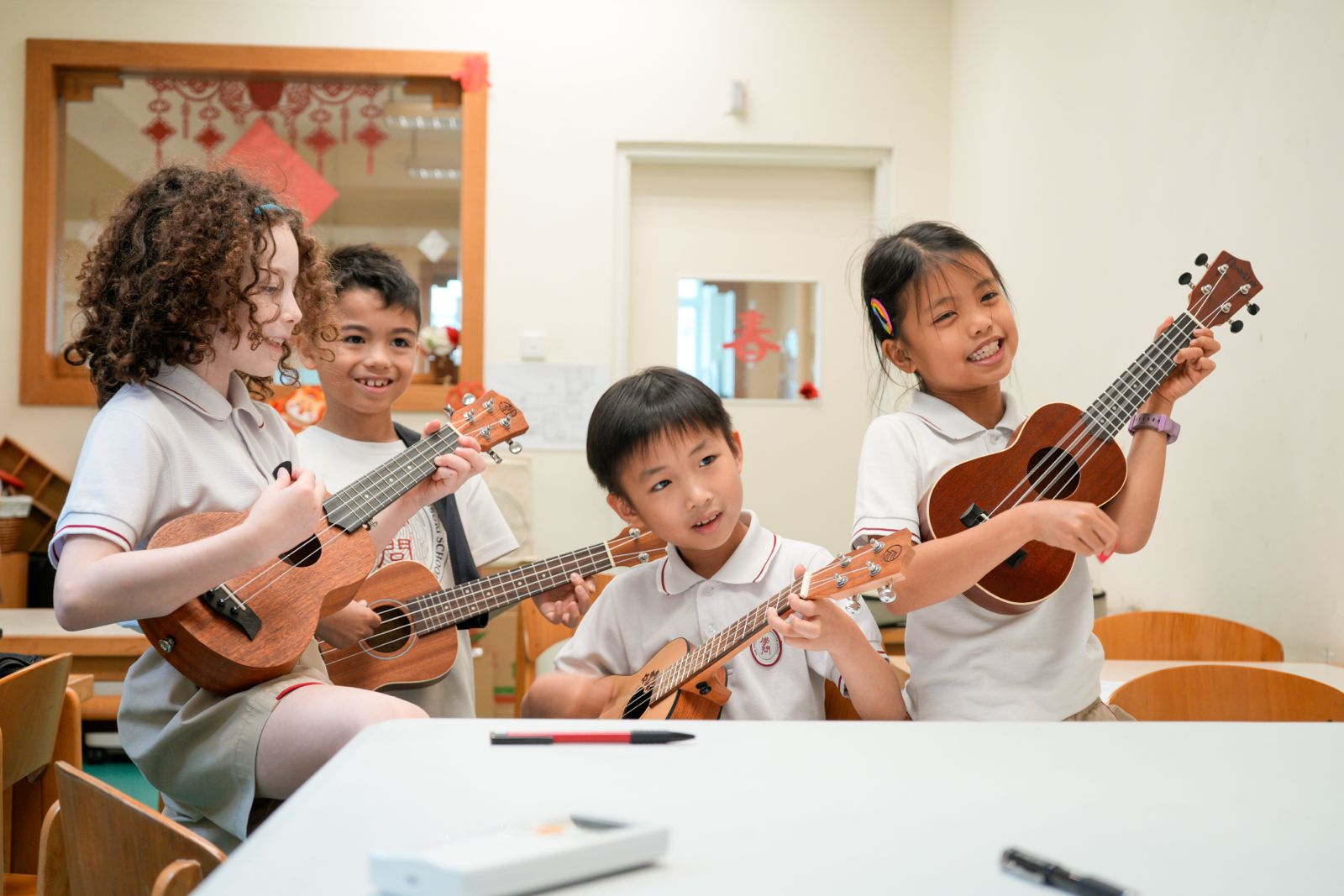
Dr Maria Montessori developed a child-led learning approach where children explore and learn at their own pace in a prepared environment. This hands-on method, using age-appropriate materials, helps children grasp concepts naturally. Montessori classrooms feature mixed-age groups, fostering peer learning and social development. Older children mentor younger ones, building a sense of community and encouraging problem-solving.
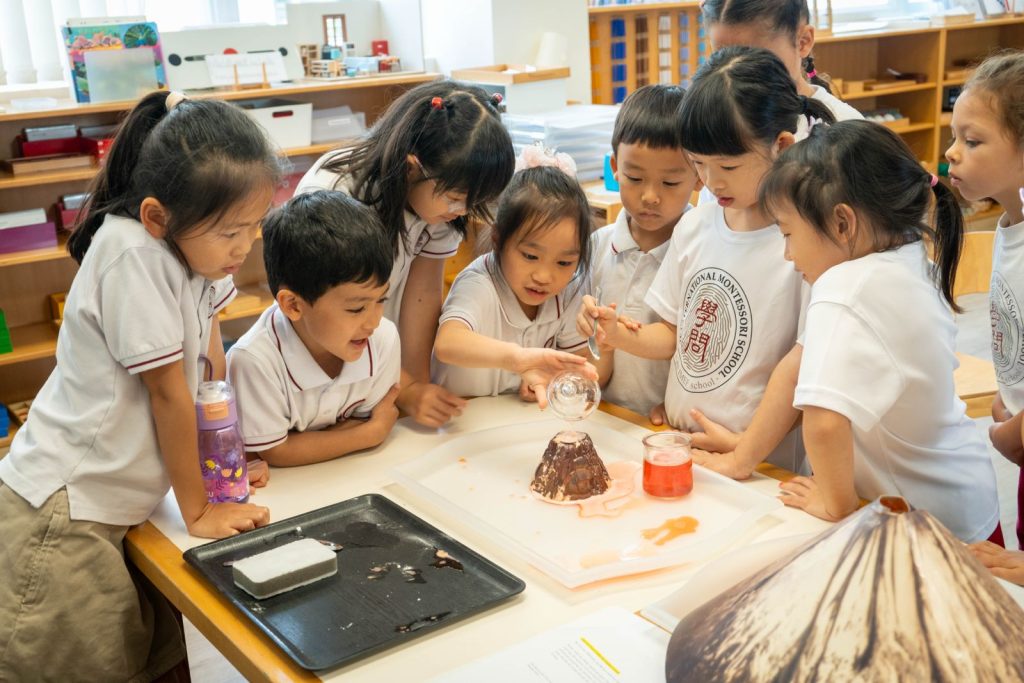
The Montessori Method: Building problem solvers for the future
“The gift Montessori gave to the world is recognising that there are different developmental stages,” says Anne Sawyer, co-founder of The International Montessori School (IMS). The Montessori method matches what the brain is doing at each stage of development, allowing children to learn at their own pace, follow their curiosity and change their own environment. “A Montessori education sets up children to be lifelong learners, cultivating a love for learning and the problem-solving skills essential for 21st-century life and work.”
IMS: Leading Montessori education in Hong Kong
Established over twenty years ago, IMS is a pioneering Montessori school in Hong Kong. It has expanded to four campuses: Stanley, Aldrich Bay, Mid-Levels and South Horizons. We visited the Stanley campus, located near Stanley Plaza and the beach, offering children aged 1-12 a beautiful natural setting for discovery walks and outdoor learning.
IMS stands out as Hong Kong’s first through-train Montessori school, offering a seamless educational journey from Nursery to Elementary. With a team of highly skilled AMI-trained teachers, IMS boasts Greater China’s only fully accredited bilingual Montessori curriculum, setting a new standard in Montessori education. Each classroom is led by one English and one Putonghua teacher, and every class has at least one AMI trained teacher to ensure authenticity and quality. IMS graduates are confident bilingual learners with a proven track record of admission to top international secondary schools.
Founders Anne Sawyer and Karin Ann, who launched the school in 2002, remain at the helm. “We considered what type of school we were interested in for our children, and we all wanted a method of education that would equip students with skills that enable them to adapt and stream into any school in the world. We also wanted them to be fluent in Chinese – able to speak, read, and write at a local level,” says Sawyer. This vision laid the foundation for IMS, introducing Hong Kong families to the Montessori approach from early childhood learning and beyond.
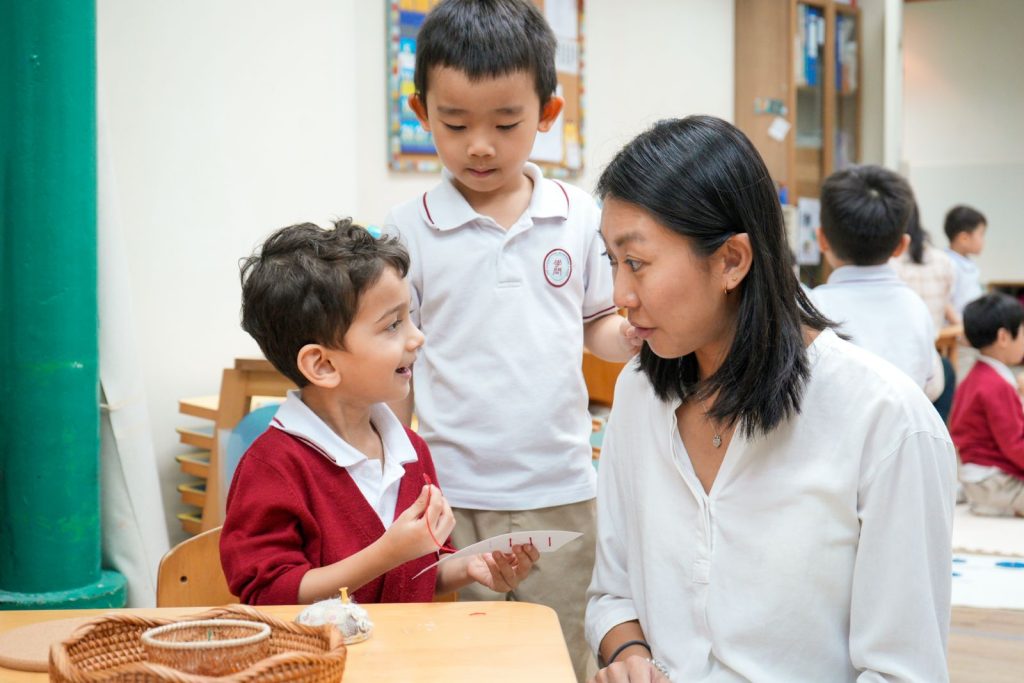
A hands-on approach makes learning more engaging
IMS prepares children for life by fostering collaboration and hands-on learning, in a fully bilingual environment. Montessori education tailors learning to each child’s pace and interests – by upper elementary, IMS students have developed critical thinking skills to choose their projects and partners, are more engaged in problem solving through hands-on activities, and have a deeper understanding of complex ideas in subjects like maths, science and language. “The academics never stop – in both languages. Children choose their work, and teachers guide them with the next challenge, learning in the child’s native language while acquiring a new one. We constantly assess students to set them up for success,” explains Sawyer. “Our job is to unlock each child’s passions and help them excel. Once we have their interest and attention, the magic happens.”
IMS environment cultivates a love of learning
Sawyer emphasises that most of the learning happens in the classroom, leaving little need for homework. Even in elementary school, Chinese homework is minimal, with 20 minutes a day being sufficient, given the immersive bilingual environment in every classroom, plus 45-minute daily Chinese language lessons in small groups. ” Our IMS curriculum is dense and rich, allowing for a truly differentiated, individualised learning experience that challenges the child’s executive functions. Our AMI teachers are comprehensively trained and have deep knowledge of Montessori philosophy and child development, ensuring they have the skills necessary to provide an effective learning environment at each stage of the child’s growth. We avoid rushing outcomes, which makes the learning process more natural and engaging,” says Sawyer.
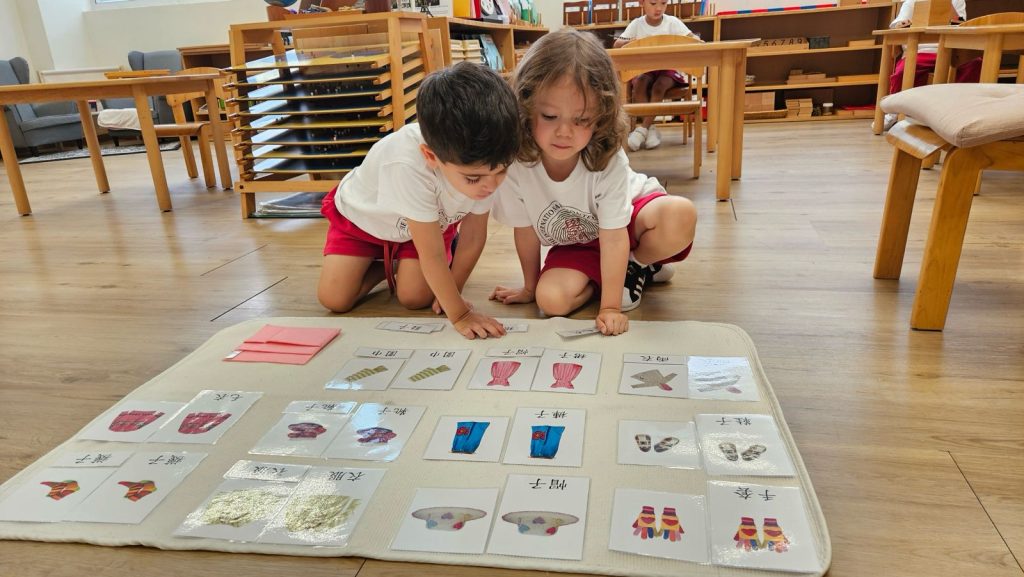
She also highlights the importance of the three-year age grouping (e.g. 3-6 years old) and three-hour work cycles in the classroom, which is similar to an adult work environment. Through peer-to-peer learning, older children are encouraged to teach younger ones, fostering a sense of community and collaboration. Leadership and mentoring are also essential skills acquired through this mixed-aged environment, promoting responsibility and confidence. Children as young as two learn to take turns, collaborate, and return materials to the shelves, ready for the next child to use, thereby gaining a sense of independence, responsibility and community.
Bringing the real-world to students
Sawyer emphasises that Montessori education can change the future by starting with the child. Montessori teaches children to appreciate diversity and understand the world beyond their immediate surroundings. “Dr Montessori believed that children should learn about geography, food, and people from different cultures, fostering a sense of sameness and unity.”
Reflecting on her own experience, Sawyer shares how attending a Montessori school in Germany ages 9-11 (one of 13 different schools in England, Europe and the US) transformed her view of education. “It changed the way I thought, and gave me the skills to successfully navigate and adapt to a variety of schools in different countries. And I wanted that for my own children. When we opened IMS, seeing what our students at IMS are capable of at such a young age is truly inspiring.”
IMS students participate in the Montessori Model United Nations (MMUN), where nine- and ten-year-old elementary students compete with teenagers from other schools. Learning about different cultures, governments, and global issues ensures a deeper understanding of our world. “Our kids are making a difference. The older ones help the younger ones. It’s an ecosystem on its own, fostering teamwork and social skills. Montessori is an extension of real life, where problem-solving and collaboration are key from the very start.”
Future-ready learners: The Montessori advantage
Sawyer encourages parents to experience Montessori elementary education, where everything comes together in the upper years. “Our students understand real-world concepts like return on investment because they apply their learning practically. They create meaningful products for sale and even use spreadsheets for things like tracking earnings for donations to charity.”
How parents support their child’s early development is absolutely critical. Babies and young children explore through all of their senses, and learn by putting things in their mouths, and touching things. “Many Hong Kong parents worry about hygiene, especially post-Covid. However, if a child isn’t getting their hands dirty, it can actually hinder their development and create anxiety.”
Sawyer believes Montessori education nurtures curiosity and a love for learning, leading to adaptable, entrepreneurial adults. “A child is truly present in their learning. If we continue nurturing this curiosity, we will raise future-ready, innovative individuals.”
IMS offers regular open days and campus tours at each campus introducing families to the Montessori environment and approach. To find out more call 2772 2468 or email info@ims.edu.hk. IMS operates four campuses across Aldrich Bay, Mid-Levels, South Horizons, and Stanley. 2772 2468, ims.edu.hk