
Living like a local in Florence, with the keys to a private palazzo and the guidance of a trusted friend.
Florence unfolded differently. Beyond the Duomo, down quiet streets in Le Cure, we stepped straight into a private palazzo, keys in hand, with a local friend ready to show us the city as it’s rarely seen. This was ‘This Time Tomorrow’, a stay that doesn’t just put you in a residence, but a curated chapter of life in the city.
Unlike traditional hotels, This Time Tomorrow doesn’t begin with a lobby or reception desk. It starts before you even leave home, when the team personally contacts you to understand your interests and passions—whether it’s Renaissance art, hidden culinary gems, or family-friendly experiences—and then builds a tailored itinerary that might include a private marble sculpting session, a stroll through secret gardens, or insider tips on the city’s best local cafés. Every suggestion, from the timing of your arrival to evening aperitifs, is curated to make your stay feel both effortless and deeply connected to Florence’s rhythm. For us, travelling as a family with a five-year-old in tow, the promise was of a city break that felt both deeply rooted in Florence and flexible enough to welcome a child’s pace and interests.
Residences of Character
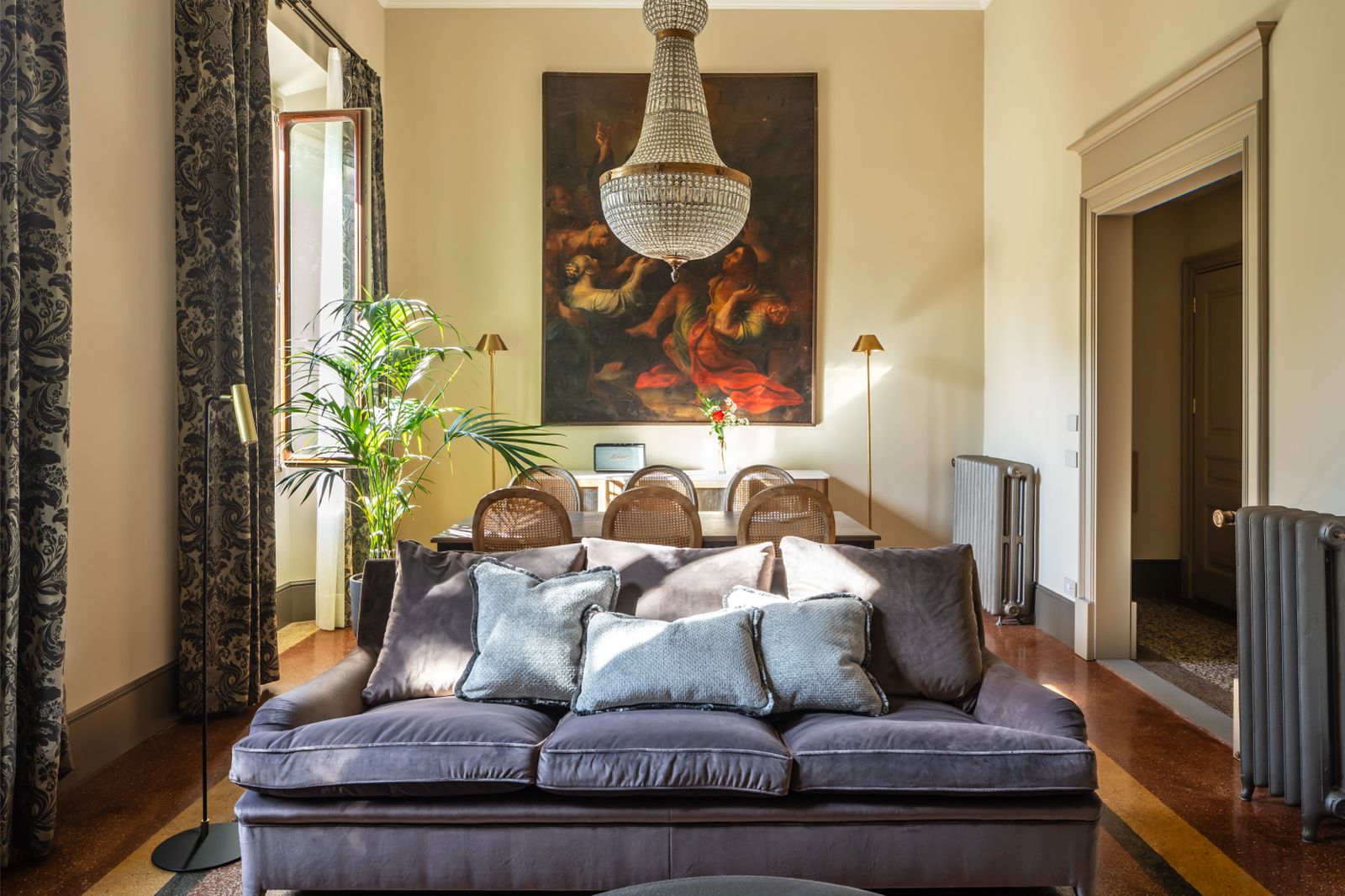
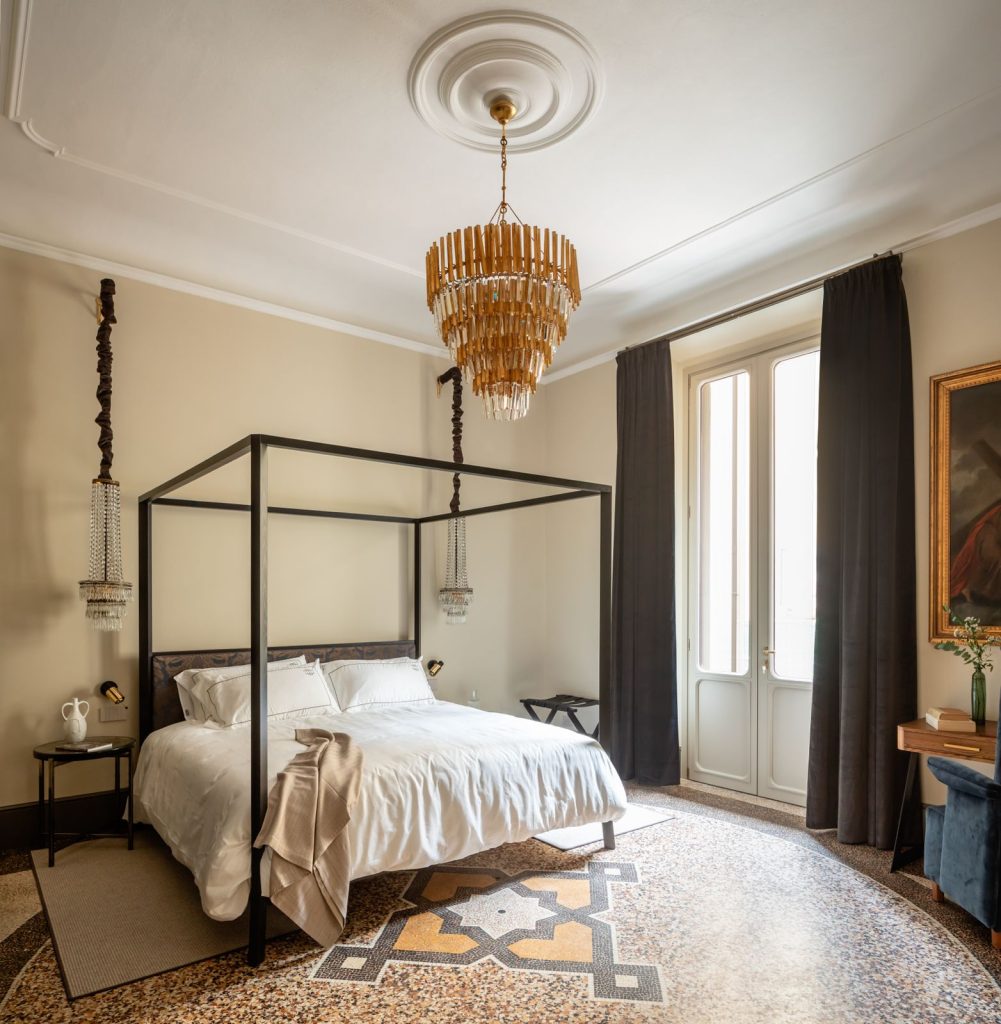
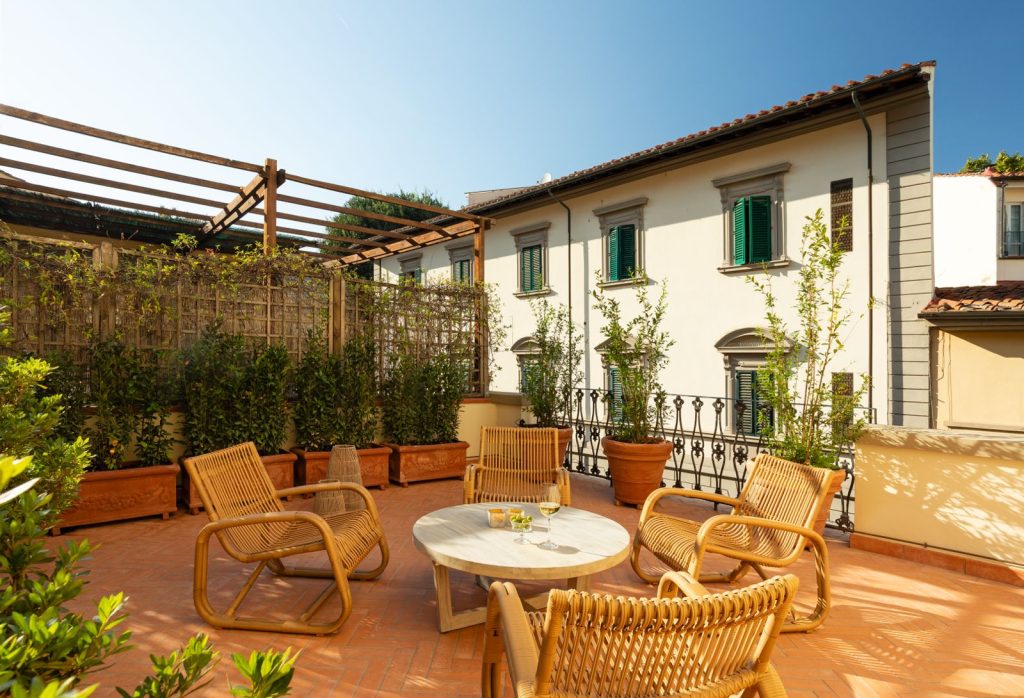
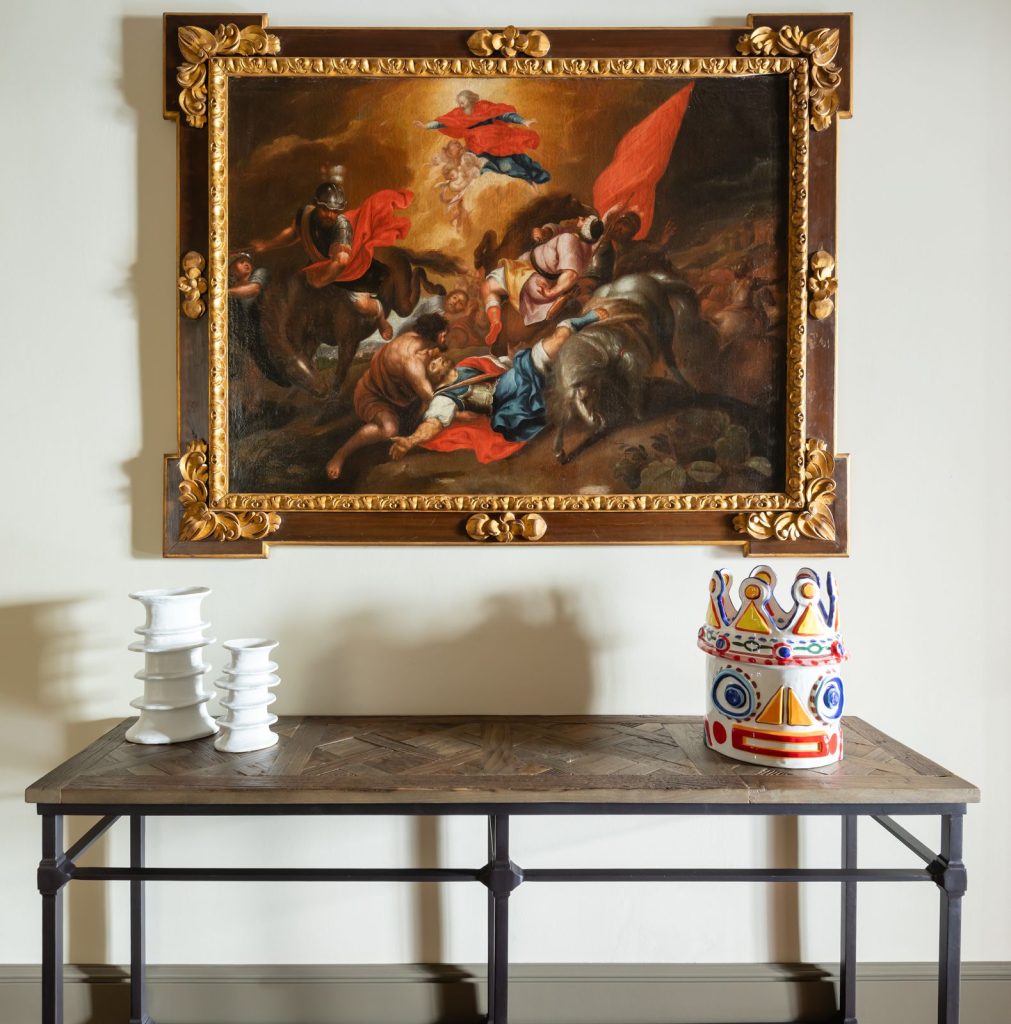
The Abitazione, a beautifully restored townhouse-style palazzo, is home to just eight residences—seven elegant two-bedroom apartments and one sprawling three-bedroom. Each has its own character, with frescoed ceilings, Venetian tiled floors, baroque portraits, and surprising touches of contemporary art (a Salvador Dalí lithograph here, a Franco Gentilini aquatint there). Walking in, I felt like I had stepped straight into a Pinterest board: every corner perfectly aspirational, yet utterly suited to life in Italy. Our apartment opened onto a leafy terrace, the perfect setting for morning coffee or a late-afternoon aperitif. The team had even thought of everything for cosy evenings in, curating a generous welcome basket overflowing with farm-to-table meats, cheeses, biscotti, pasta, and wine.
Inside, high ceilings and velvet textures softened the grandeur, making it something surprisingly homely. We had a fully equipped kitchen, spacious bathrooms, and ample space for everyone to feel at ease.
While This Time Tomorrow doesn’t have an on-site restaurant, the experience is made all the more charming by the team’s thoughtful provision of complimentary ‘salt’ tokens in each apartment. These small cards can be exchanged for a local breakfast at nearby cafés—cappuccinos and freshly baked pastries, enjoyed just as the Florentines do. The salt is another nod to history: Florence, inland and reliant on Pisa’s port, once had to import salt, a precious commodity often taxed or caught up in medieval trade disputes. Florentines famously bake their bread without salt, so the tokens also allow guests to add a pinch if they wish, bridging centuries-old tradition with a modern morning ritual.
The property’s private rooftop, reached via a tucked-away staircase, opened to Tuscan hills rolling on one side and Florence’s terracotta domes on the other.
Off-Menu Florence
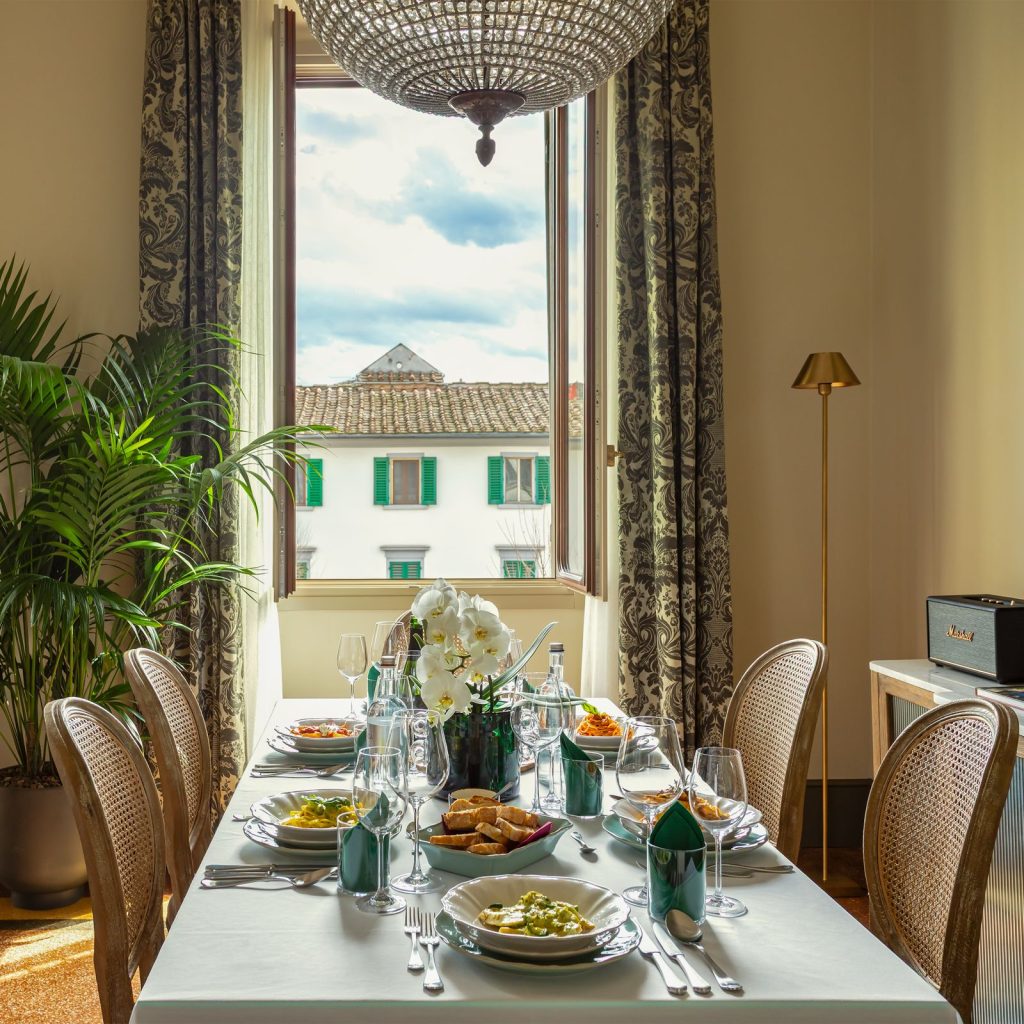
The spirit of This Time Tomorrow is to take you “off menu”, to experiences you’d rarely stumble upon alone. Their curators weave together encounters that feel both insider and extraordinary.
Wine lovers, for instance, might find themselves at Palazzo Antinori, the 15th-century home of Italy’s most storied winemaking family. While the Noble Floor is usually closed to the public, guests here can dine in the frescoed Studio del Marchese, where Tuscan classics are paired with vintages steeped in centuries of heritage. Beyond Florence, the vineyards of Chianti lie less than an hour away; instead of being folded into a tourist group, the team can arrange private visits to hidden cellars, a family-run alpaca farm for those with children, or even lunch at Dario Cecchini’s legendary Officina della Bistecca, where the theatrical butcher hosts an indlugent Tuscan feast.
For art enthusiasts, the team can arrange immersive experiences, such as a private session with Jason Arkles, an American marble sculptor working in the atmospheric catacombs of Palazzo Caponi.
On our curator’s advice, we strolled through the Giardino dell’Orticoltura, a picturesque garden with elegant greenhouses and peaceful paths, before climbing to a nearby viewpoint where Florence’s terracotta rooftops stretched out beneath us. We then visited the Scuola del Cuoio, the city’s renowned school of leather, where my daughter was captivated by artisans handcrafting handbags. We rounded off the afternoon at Gelateria Badiani, a Florentine institution since 1932, best known for its signature flavour, Buontalenti—a rich, creamy blend that has become a symbol of the city’s gelato tradition.
The next day, following more of our curator’s recommendations, we crossed the river to Via Maggio, famed for its antique shops and galleries, before pausing for a light lunch with panoramic views at the Loggia Roof Bar of Palazzo Guadagni. On the way back, we stopped at Caffetteria Snak Anna, a cosy neighbourhood café, for a final Florentine coffee among locals.
A Neighbourhood of Its Own
Part of the charm lies in This Time Tomorrow’s location. Le Cure is residential, just a 15-minute walk from the centre, with local butchers, family-run cafés, and hidden courtyards. After days spent exploring, returning here felt like stepping into a quieter, more authentic Florence. One evening, we ate at Ristorante Alfredo, a brilliant little spot right next door to the residence, the kind of place you’d never stumble upon as a tourist. The food was exceptional, the hospitality unmatched, and the warmth of Chef Mario and his family made it feel like dining in a Florentine home rather than a restaurant.
The Story Behind the Brand
Launched in 2019 by ex-finance CEO Pierre Ferland and business strategist Thomas Odenthal, This Time Tomorrow was born from a desire to reimagine city travel. Their idea: immerse guests instantly into the rhythm of a place, not through checklists but through lived experiences. The properties are as much about the people and curations as they are about bricks and mortar, each one a carefully restored building that becomes a backdrop for discovery.
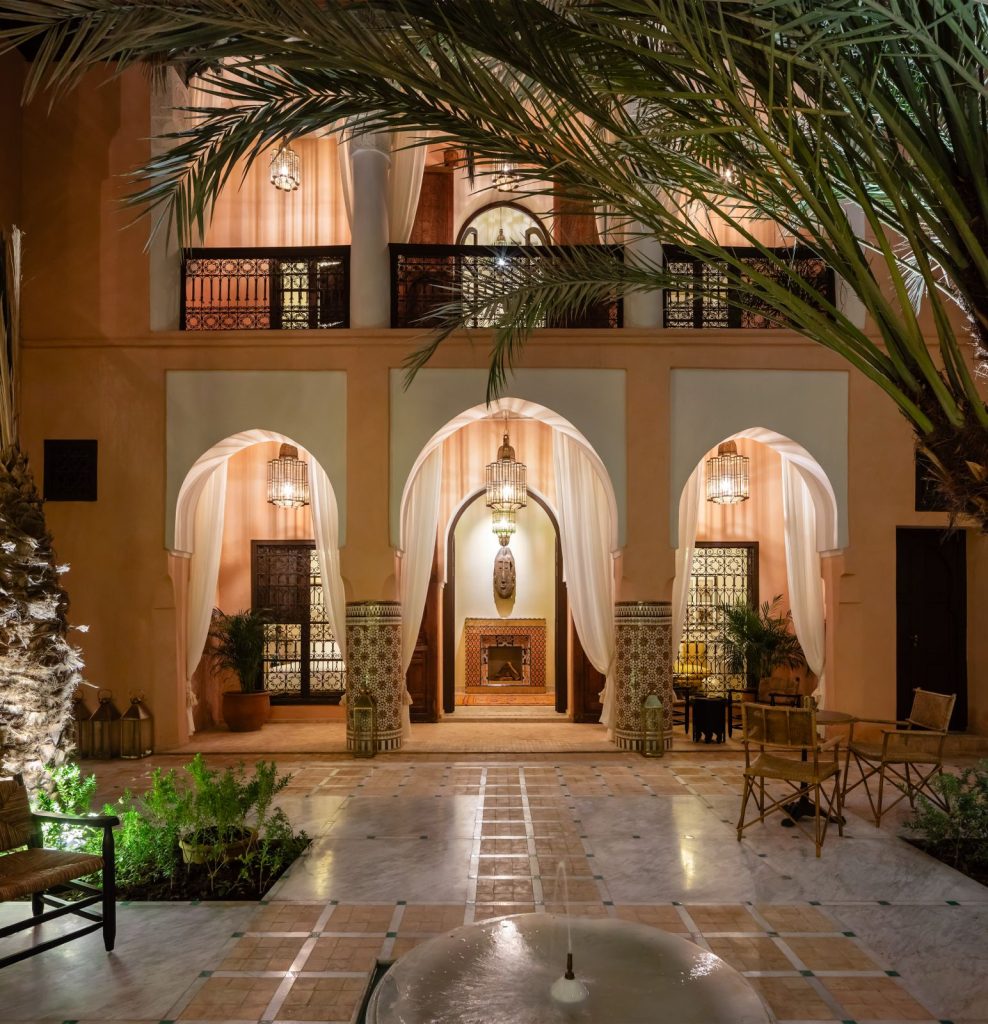
Florence is just the first chapter. In Marrakech, the brand’s sister property, Dar Al Dall (The House of Shadows), offers an entirely different narrative, blending Moroccan artisanry with European-imported design. Experiences echo the city’s vibrancy: a Leica photo tour through the souks, a Friday couscous feast in the communal kitchen, or an afternoon with a spice-dealer in the Mellah Quarter.
The Verdict
This Time Tomorrow is not a hotel; it’s more personal. It curates a version of a city that feels like it belongs only to you. For families, it offers the space and comfort of a private apartment with the insider knowledge of a local friend. For travellers without children, it’s an invitation to dive into art, food, and culture without ever being steered towards the obvious.
Florence has no shortage of hotels with chandeliers and frescoes, but This Time Tomorrow offers something unique: a way of living in the city that feels like stepping into a story—one you’ll want to keep writing long after you’ve left.
This Time Tomorrow in Florence,
Viale Don Giovanni Minzoni 3, Firenze, 50129, Italy,
florence@thistimetomorrow.io, +39 055 709 9630