
After nearly a quarter of a century in retirement, one of Hong Kong’s most famous landmarks has found a new lease of life. Today, the former Kai Tak runway has been transformed into Kai Tak Sky Garden, a striking waterfront public space well worth a visit.
Once Hong Kong’s international airport from 1925 to 1998, Kai Tak was legendary among pilots and passengers alike. The 1.4 kilometre runway, jutting dramatically into Kowloon Bay, was known for its notoriously challenging landing approach.
With water on three sides, mountains to the north east and dense city buildings surrounding Victoria Harbour, the famed Hong Kong Turn was widely considered one of aviation’s most demanding manoeuvres. The airport even featured on the History Channel’s Most Extreme Airports programme, ranking among the world’s most dangerous landings.
From airport runway to waterfront park
Today, the story has taken a more leisurely turn.
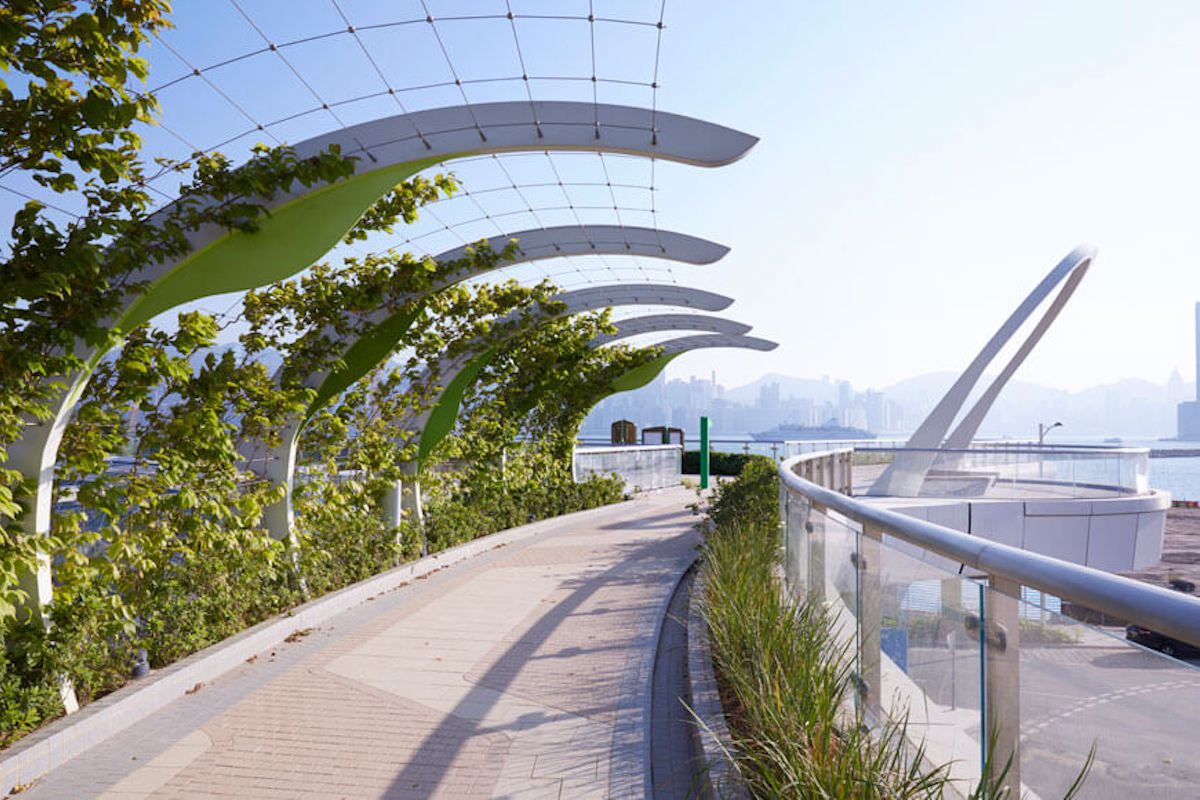
The revitalised Kai Tak Sky Garden now invites visitors to stroll the length of the former runway while taking in sweeping harbour views. The elongated design subtly echoes the shape of an aircraft, paying tribute to the site’s aviation heritage while creating a calm, contemporary green space for the city.
What to expect at Kai Tak Sky Garden
Lighting along the promenade recreates the atmospheric glow of the old runway at night, making this a particularly appealing spot for an evening walk. Families will also appreciate the open space for little ones to roam, cycle or simply watch the boats pass by.
For those interested in the history, an augmented reality feature allows visitors to relive the drama of aircraft once roaring overhead, adding an interactive layer to the experience.
With the wider Kai Tak redevelopment continuing to evolve, the runway park has quickly become one of Kowloon’s most interesting waterfront walks. Whether you remember the airport days or are discovering the area for the first time, it is a fascinating place to explore.
The redevelopment of the wider Kai Tak area is expected to be completed by 2025.