

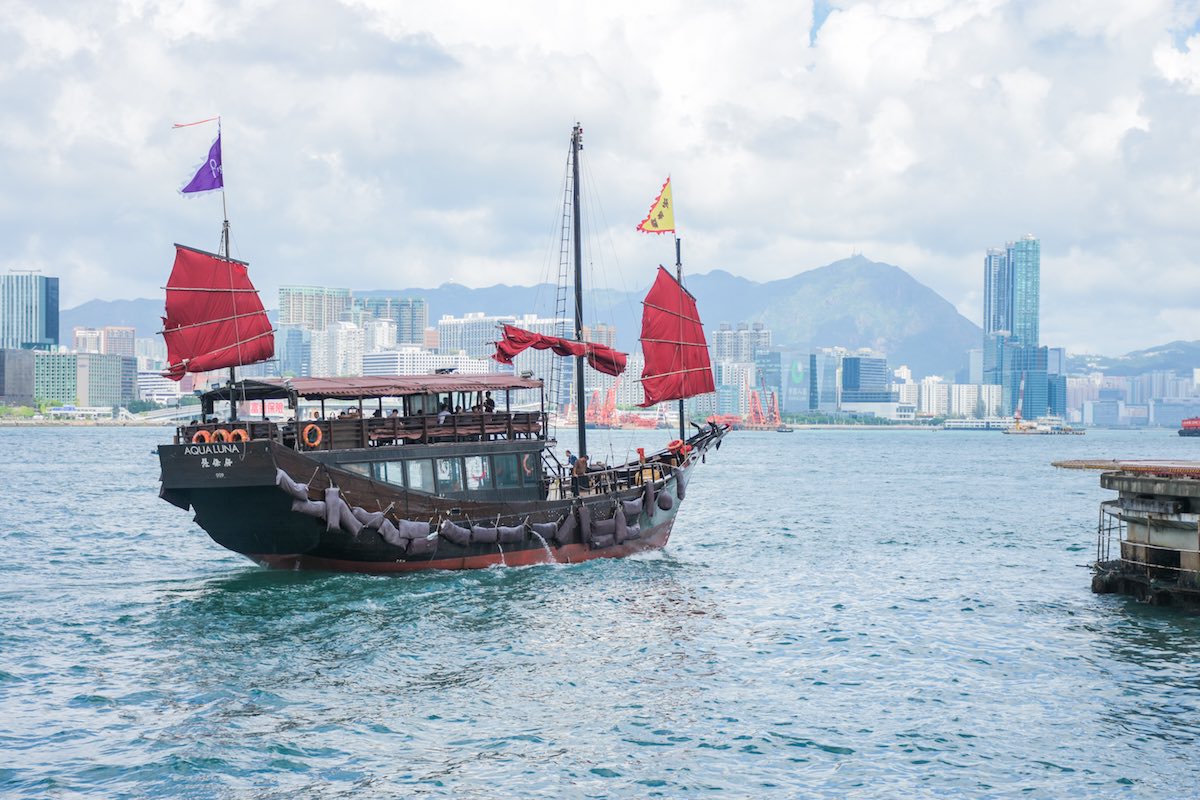
Whether you’re still considering moving to Hong Kong and in research mode, or you’ve just arrived, in which case welcome, here’s a check list of all the admin you need to get in place before you can begin to truly enjoy all this amazing city has to offer. Good luck settling in, you’re going to love it here.
1. Apply for a visa
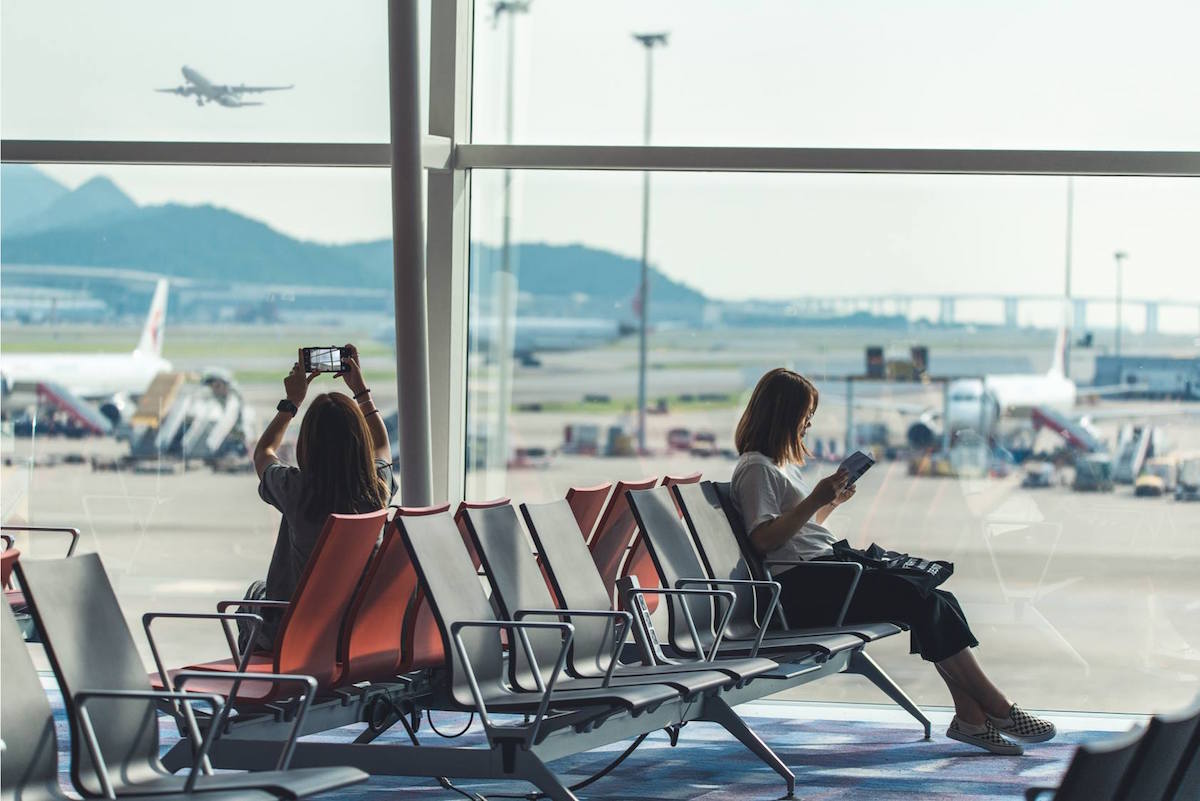
Make sure you get the right paper work in place when you’re moving to Hong Kong. Although it depends on the passport you hold, most people are allowed to land and stay here as a visa-free visitor for seven to 180 days.
Working visa: Unless you have a Hong Kong “Right of Abode” or “Right to Land”, you will need a visa to work in Hong Kong. Having your company sponsor and issue your visa (and any dependent visas for your family) before you arrive is the most efficient process. You are not legally entitled to work without a visa but you can land and then set about getting one. Expect the visa process to take about six to eight weeks.
Dependent visa and trailing spouses: Unless your spouse has a job in Hong Kong and a visa in his/her own right, dependent visas are a must for your spouse and children under the age of 18 to be able to live full-time in Hong Kong. Holding a dependent visa allows your spouse to find a job and work without being tied to one sponsoring company.
2. Get a Hong Kong ID card
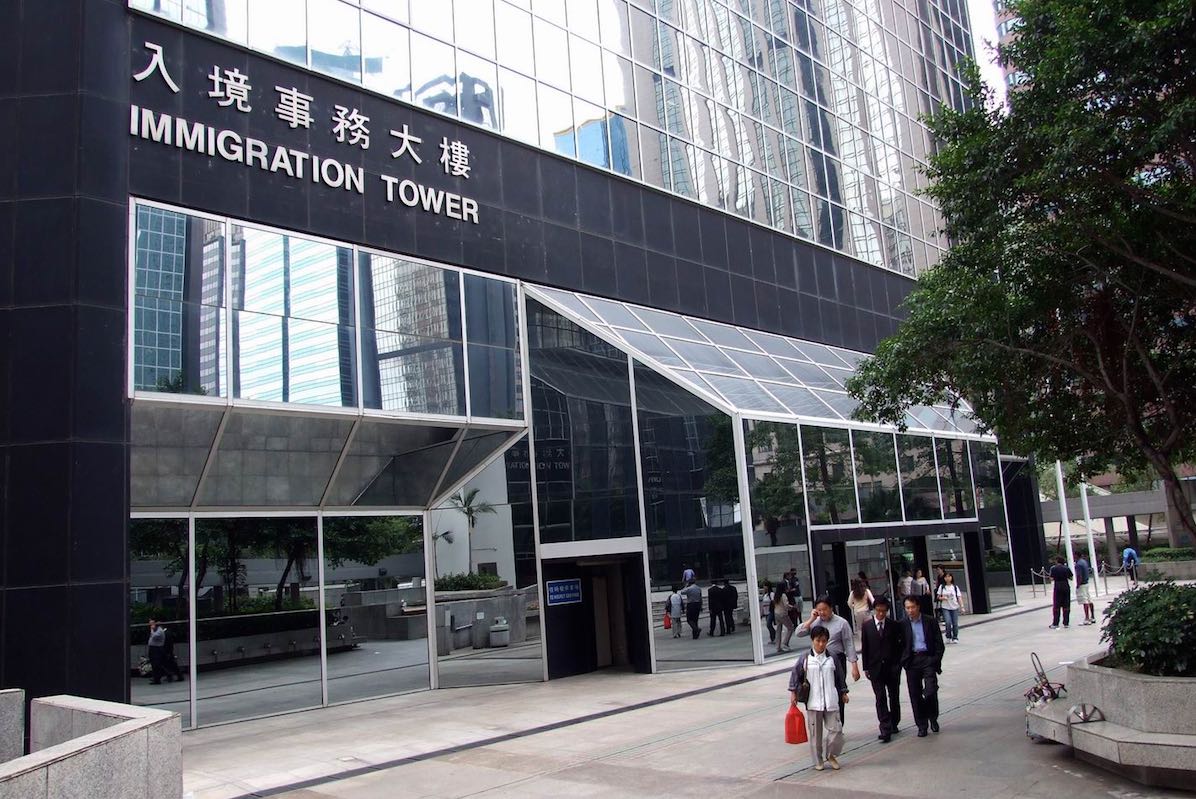
Everyone in Hong Kong aged eleven or over must hold a valid Hong Kong ID card. If you’re planning to stay for longer than six months, an application must be made within 30 days of landing. It is recommended that you make a booking online before going into the Immigration Office as things can get crazy and you aren’t always guaranteed an appointment simply by showing up. Details of the process along with the five offices (Hong Kong, Kowloon, Kwun Tong, Fo Tan, Yuen Long) where applications are processed can be found on the Immigration Department’s website. Remember to take your passport, a valid visa and completed application form to your appointment.
After receiving your Hong Kong ID, you should keep it on you at all times, as Hong Kong police have the authority to stop and demand identity checks from anyone at any time. Cards are fitted with a smart chip and can be used as a library card. Once your fingerprint has been registered on the chip, you can use your Hong Kong ID for quick immigration access via the e-channel in and out of Hong Kong International Airport and Macau.
3. Get yourself an Octopus card
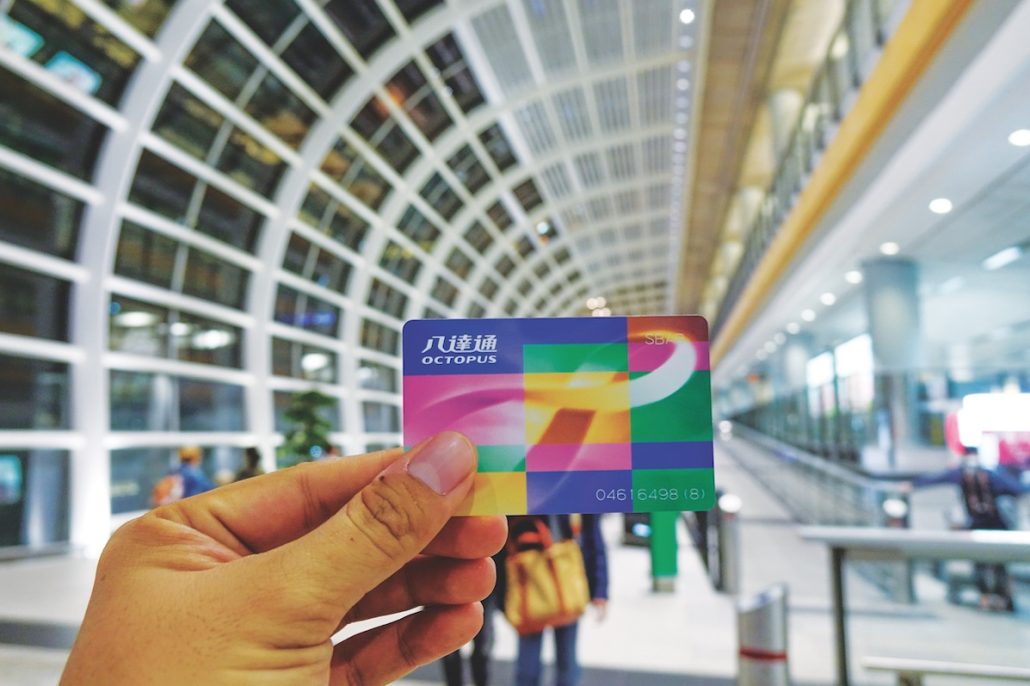
This Hong Kong essential is a debit style card most commonly used for public transport, car parking and vending machines, but can also be used to buy things like groceries, coffees and settling bills. Cards can be applied for and topped up most commonly at MTR stations, branches of 7-Eleven and Starbucks. You can also apply for the auto top-up so you never run out of credit. In 2019, a monthly subsidy scheme was introduced for Octopus card holders. From the 16th of each month, scan your card at any of the subsidy collection points throughout Hong Kong and be automatically credited 25 percent of your monthly transport expenses, up to $300.
4. Set up a bank account

With more than 250 licensed banks across the territory, it is said that Hong Kong has more banks per square mile than any other city. There is no lack of choice, though this might make choosing the right bank harder. Most banks offer the same generic services such as current, savings, time deposit, and payroll accounts. Credit and debit cards (known as EPS) are widely used. Cheques are not often accepted in shops and supermarkets but can be used to pay for utilities and to settle bills with smaller companies or individuals. HSBC, Standard Chartered, Citibank, Hang Seng and Bank of China are the most popular banks in Hong Kong and therefore the ones with the most branches and ATMs. There are also a growing number of virtual banks, offering better interest rates on your savings, lightning-fast transactions and a raft of other treats. As a general rule, you’ll need the following to open an account:
- Your official ID, such as your passport of HKID card
- Proof of address, such as a utility bill or mobile phone bill
- Proof of address in your home address
- A valid visa
5. Get yourself a mobile phone
If you’re moving to Hong Kong, the cheapest way to stay connected is buying a local sim card. You’ll need a phone that is unlocked, that is, not restricted to use on your original mobile provider only. Your home network will be able to tell you if your device is locked. If so it only takes a simple trip to a mobile phone shop to unlock it.
You can buy a sim card from any mobile phone shop, but the easiest way is to pop into a 7-Eleven. You can even do this as soon as you touch down at Hong Kong International Airport. Once you’re more settled, move onto a tariff with one of Hong Kong’s major networks. The biggest is China Mobile, followed by 3, CSL, PCCW Mobile and Smart Tone Vodafone. Some of the newer providers like Sun Mobile are cheap alternatives, while contract-free options like Birdie can be considered.
6. Hire a domestic helper
Local helpers can be hired on a part- or full-time basis. Foreign domestic helpers (typically from the Philippines or Indonesia) can only legally be employed full time on a two-year, live-in contract. The majority of expats (particularly those with children), usually hire a domestic helper. To a lot of newcomers the colonial undertones of doing so might leave a bad taste in the mouth. However, both locals and expats hire domestic helpers, and there is no social stigma against doing so.
7. Look up Hong Kong international schools
There’s a plethora of options in Hong Kong when it comes to schools and curriculums. These range from primary schools, local and international kindergartens and international schools which can educate your child right through from aged three to 18. The key is to put your child’s name down at a few schools as soon as you have an inkling you might be moving to Hong Kong. We have a host of useful school stories to help you on your way.
8. Research where to live
Accommodation and where to live will be one of the biggest decisions when considering a move to Hong Kong. Yes, it’s true – it’s extremely expensive and this would need to be factored into the financial side of the move. Luckily, there are many many options to suit all needs and budgets. Not sure where to start? Read our guide to the most expat-friendly neighbourhoods to live in Hong Kong.
9. Join a club
Being a member of a private club in Hong Kong is somewhat of a luxury but if you do get the chance to join one, take it! It’s a great way to network and provides a change of scene when a small apartment feels like it’s closing in on you. Clubs also offer the chance to be involved in sports, plus access to good value food and drinks (most clubs offer fantastic value for money on this front). If you’ve got kids, access to a pool and children’s activities will be much-welcome, too.
10. Bring your pets with you
Depending on where you choose to live, Hong Kong is remarkably pet-friendly. The trails both on the island and in the New Territories provide the perfect place to exercise your pooch. Plus, there’s a host of pet-friendly cafes and areas, notably around the Stanley area in Southside. Naturally, you’ll need to check quarantine rules and conditions and factor in the cost of transporting your pet here. Nevertheless, it’s good to know that if you choose to bring your four-legged friends, it’s not all concrete jungle for them when they land.